Lab-Grown vs Natural: How to Tell the Difference and Why It Matters
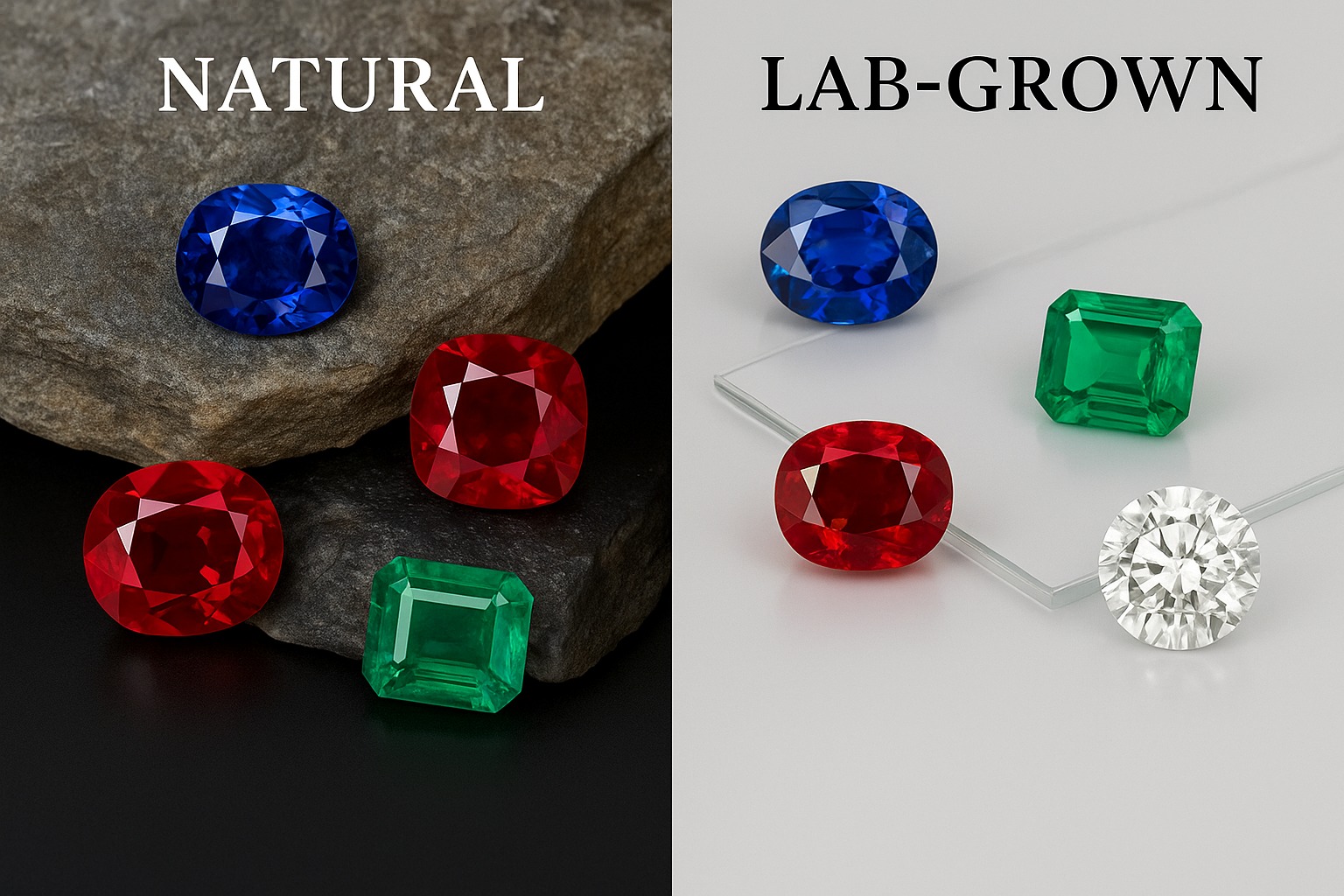
Advances in technology have made it possible to grow gemstones in laboratories that look almost identical to those mined from the earth. Today, not only diamonds but also sapphires, rubies, emeralds, and even alexandrites are available as lab-grown alternatives.
For buyers, the choice between natural and lab-grown gems can feel overwhelming. Both options have beauty and appeal, but their stories, rarity, and long-term significance differ. Understanding these differences ensures you make a choice that reflects both your values and your vision.
What Are Lab-Grown Gems?
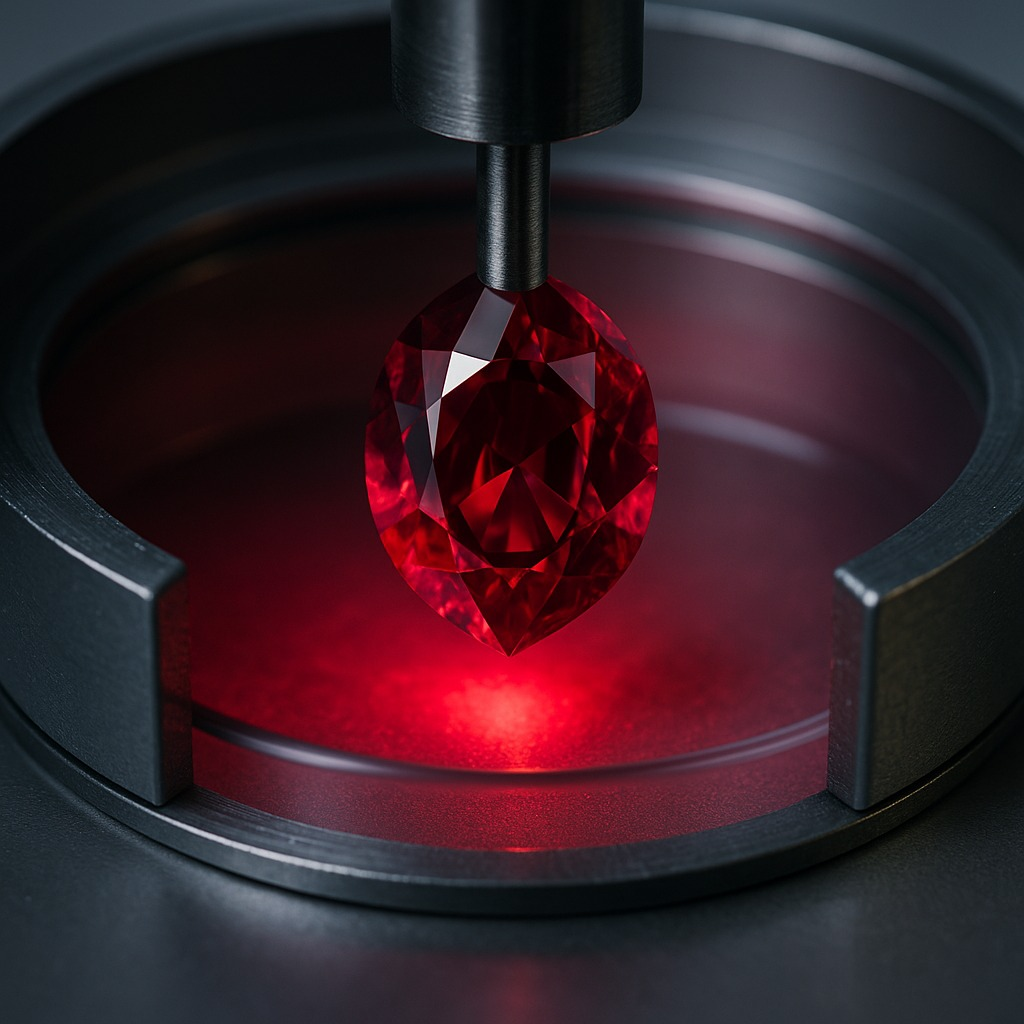
Lab-grown gemstones are created in controlled environments designed to mimic the natural conditions under which gems form in the earth. Common methods include:
- Flux growth: Used for emeralds, where crystals grow in molten flux solutions that replicate geological processes.
- Flame fusion (Verneuil process): Produces rubies and sapphires by melting powdered chemicals that crystallise as they cool.
- Hydrothermal growth: Replicates high-pressure water-rich environments to create emeralds and other gems.
- CVD and HPHT methods: Common for diamonds, building crystals layer by layer or under extreme pressure and temperature.
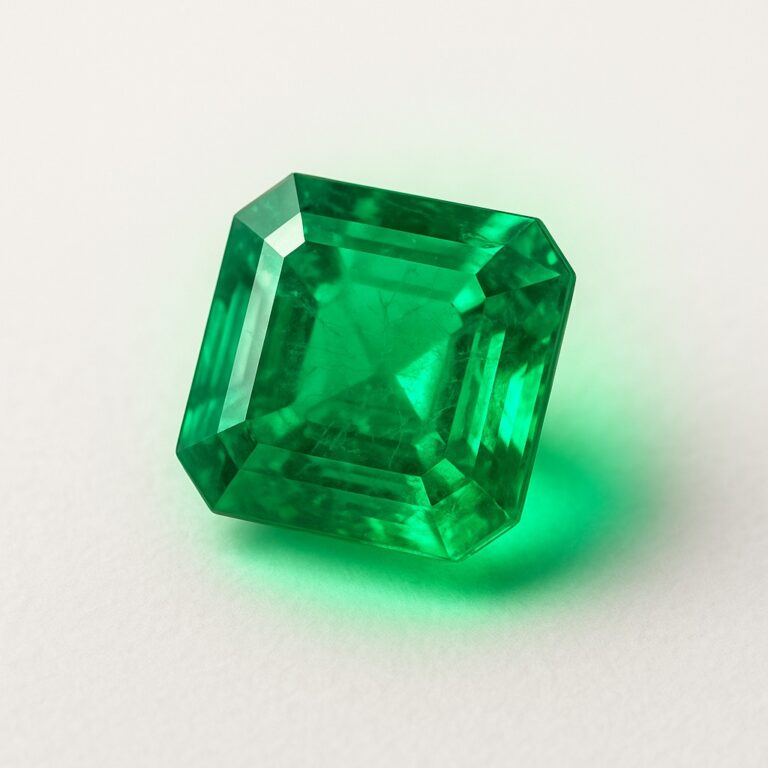
The result is a crystal with the same chemical composition and physical properties as its natural counterpart. To the eye, a lab-grown ruby can glow as red as a Burmese gem, and a synthetic emerald can shimmer green like one from Colombia.
What Defines a Natural Gem?
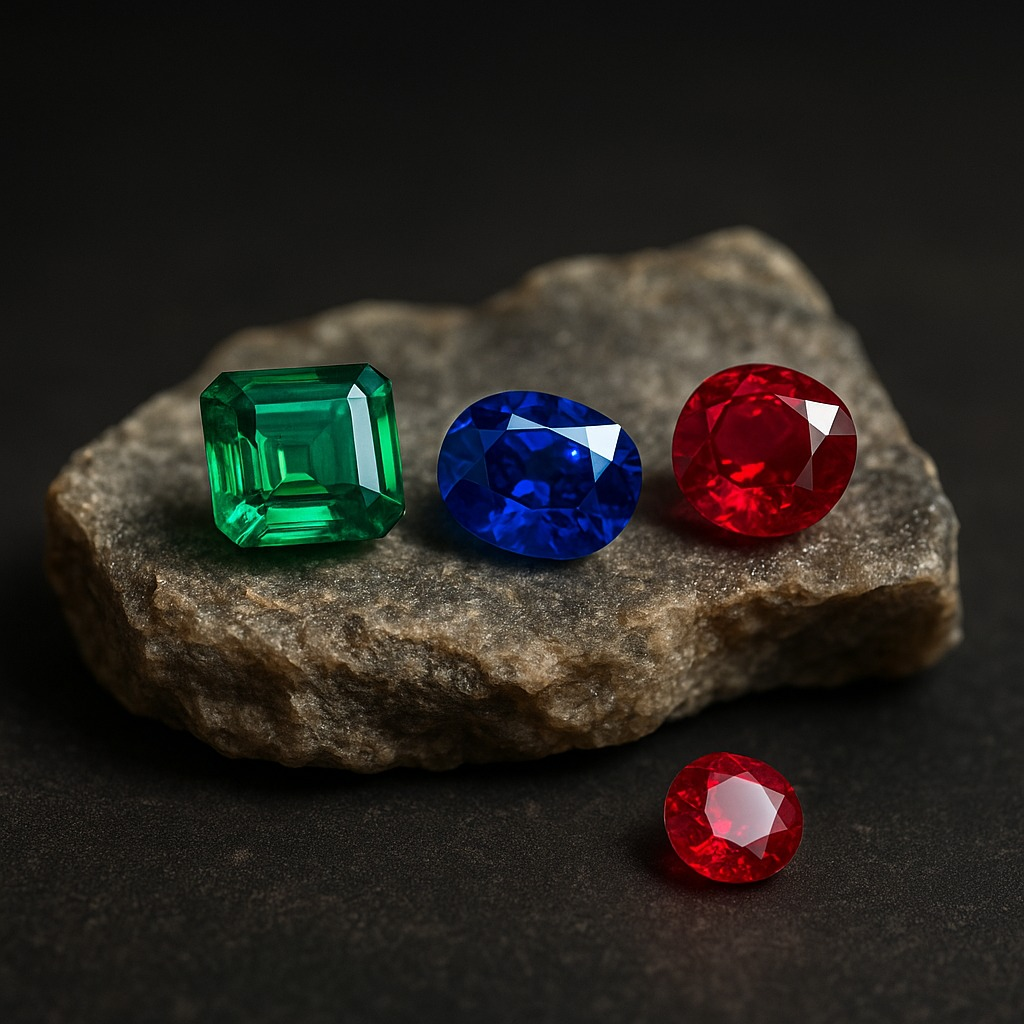
Natural gemstones are created over millions of years by geological processes deep within the earth. Their rarity and individuality make them unique treasures:
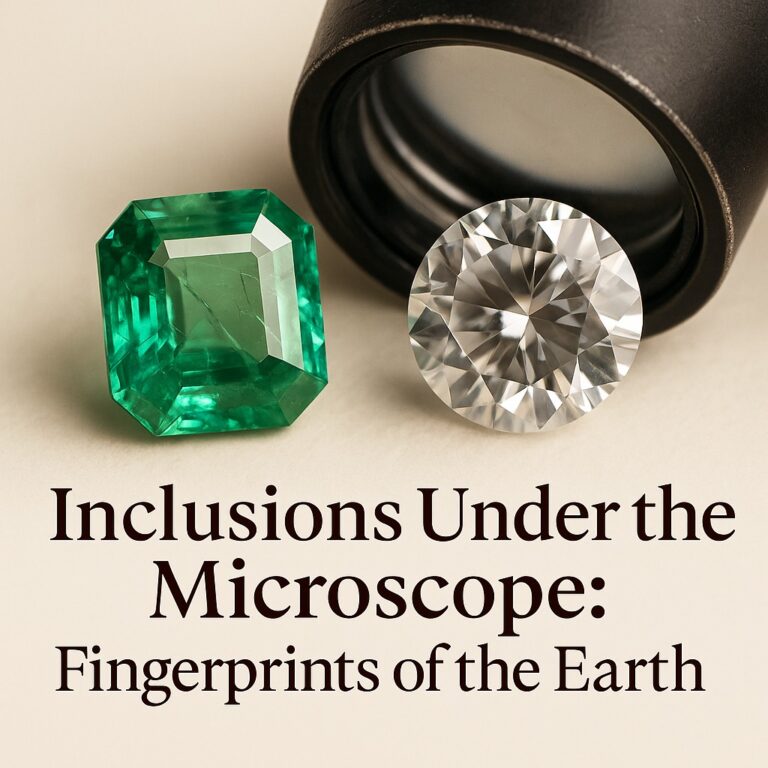
- Distinct inclusions: Each gem bears tiny natural features — mineral inclusions, zoning, or growth lines — that act like a fingerprint.
- Geological origin: Natural rubies from Mozambique, sapphires from Sri Lanka, or emeralds from Zambia carry a provenance no lab can reproduce.
- Cultural and symbolic weight: Natural gems have been valued across centuries by royalty, collectors, and families, often becoming heirlooms.
This combination of rarity, history, and symbolism gives natural gems enduring prestige and desirability.
Why It Matters
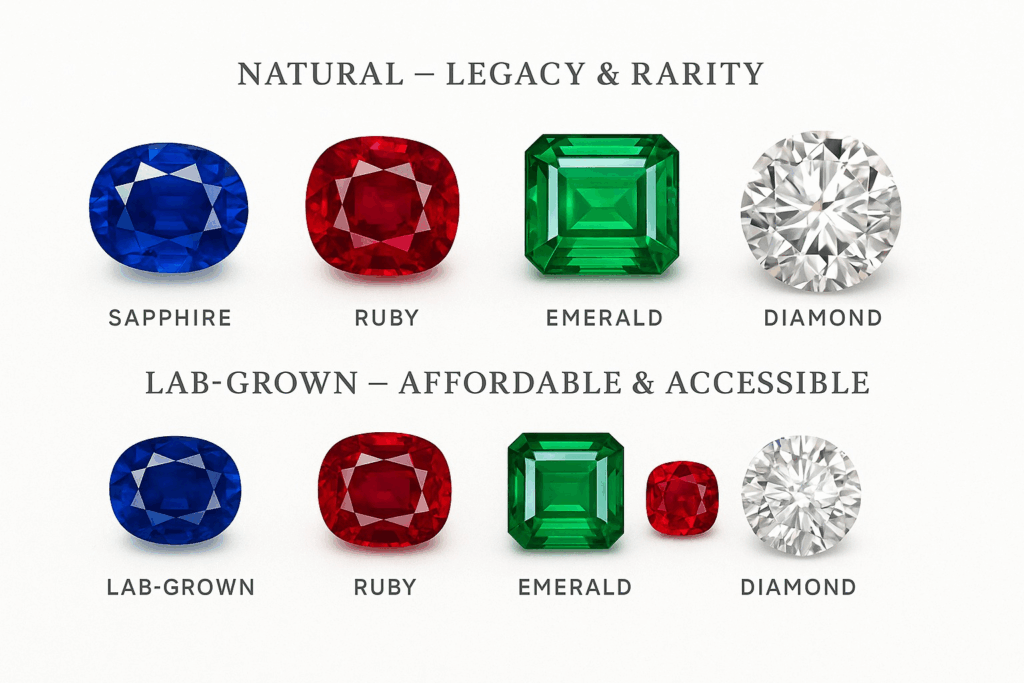
1. Value and Investment
- Natural gems are finite and irreplaceable, which ensures long-term prestige and often increasing value. Fine rubies, sapphires, and emeralds are particularly prized for investment.
- Lab-grown gems are more affordable but lack rarity, meaning they hold little resale value.
2. Emotional and Cultural Significance
- Natural gems connect us to heritage and history — from sapphires in royal jewellery to rubies carried as talismans. They symbolise authenticity and permanence.
- Lab-grown gems can be a practical or symbolic choice, offering beauty at lower cost, but without the deep heritage of earth-formed gems.
3. Sustainability and Ethics
- Natural gems: When responsibly sourced, they support artisanal mining communities and traditional industries.
- Lab-grown gems: Avoid mining, appealing to buyers concerned with environmental impact, though energy use in production is significant.
Both have merits, and responsible sourcing and transparency are essential whichever route you choose.
Practical Advice for Buyers

When choosing between lab-grown and natural gems, consider:
- Purpose: For heirlooms, engagement gems, or investment, natural remains unmatched. For affordable jewellery or fashion pieces, lab-grown may suit.
- Durability: Both natural and lab-grown rubies, sapphires, and diamonds are durable for daily wear; emeralds require more care in either form.
- Budget: Lab-grown allows larger sizes at lower cost, but natural gems carry prestige, provenance, and legacy.
Always request certification, and choose a trusted jeweller who can explain the differences with honesty.
The PrinsGems Perspective
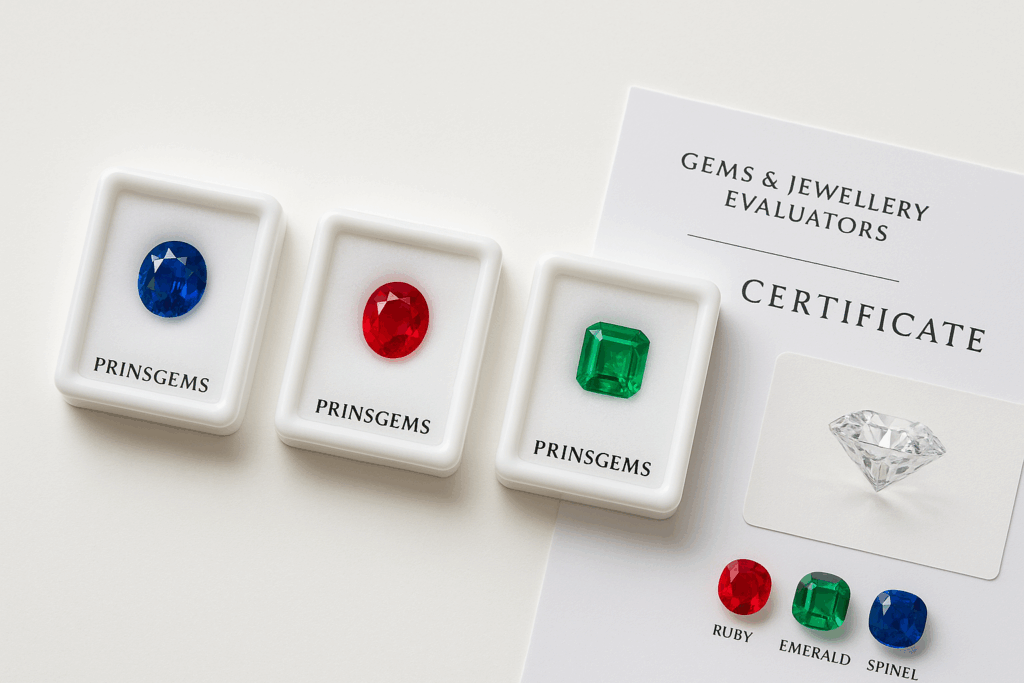
At PrinsGems, we believe gems are more than brilliant crystals — they are carriers of heritage, rarity, and authenticity. That is why our focus is on certified natural loose gemstones, sourced responsibly and selected for their quality and provenance.
Whether it is a royal-blue sapphire, a vivid ruby, or a lush emerald, each gem at PrinsGems reflects centuries of geological history and human tradition — qualities no laboratory can replicate.For clients who wish to set their gems into bespoke jewellery, our sister brand Prins & Prins Diamonds in Cape Town transforms these treasures into heirlooms of lasting value.
Discover the Gem That’s Right for You
Lab-grown and natural gems both have their place, but knowing the difference allows you to make an informed choice. For those who value authenticity, rarity, and legacy, natural gemstones remain the ultimate choice.
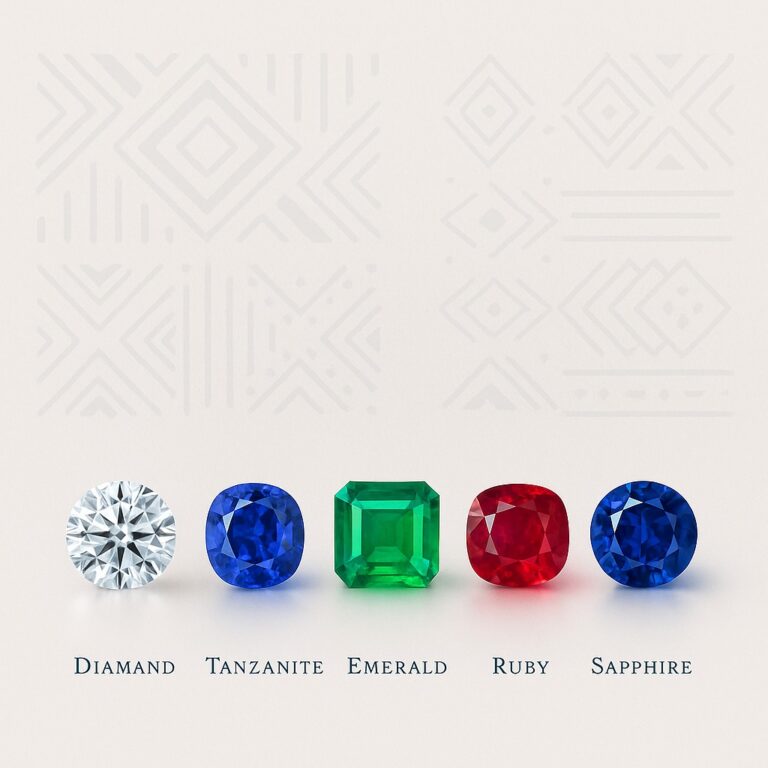
Explore our collection of natural sapphires, rubies, emeralds, diamonds, and tanzanites at PrinsGems — and discover the gem that truly matters.