
Gemstones in Ancient Civilisations: Egypt, Rome, and Beyond
From the deserts of Egypt to the streets of imperial Rome, gemstones have been treasured for their rarity, beauty, and symbolism. More than adornments, they were seen as conduits of power, wealth, and spiritual connection. The story of ancient civilisations is intertwined with gems — mined, traded, and cherished across cultures.
Egypt: Cleopatra’s Emeralds and Sacred Gems
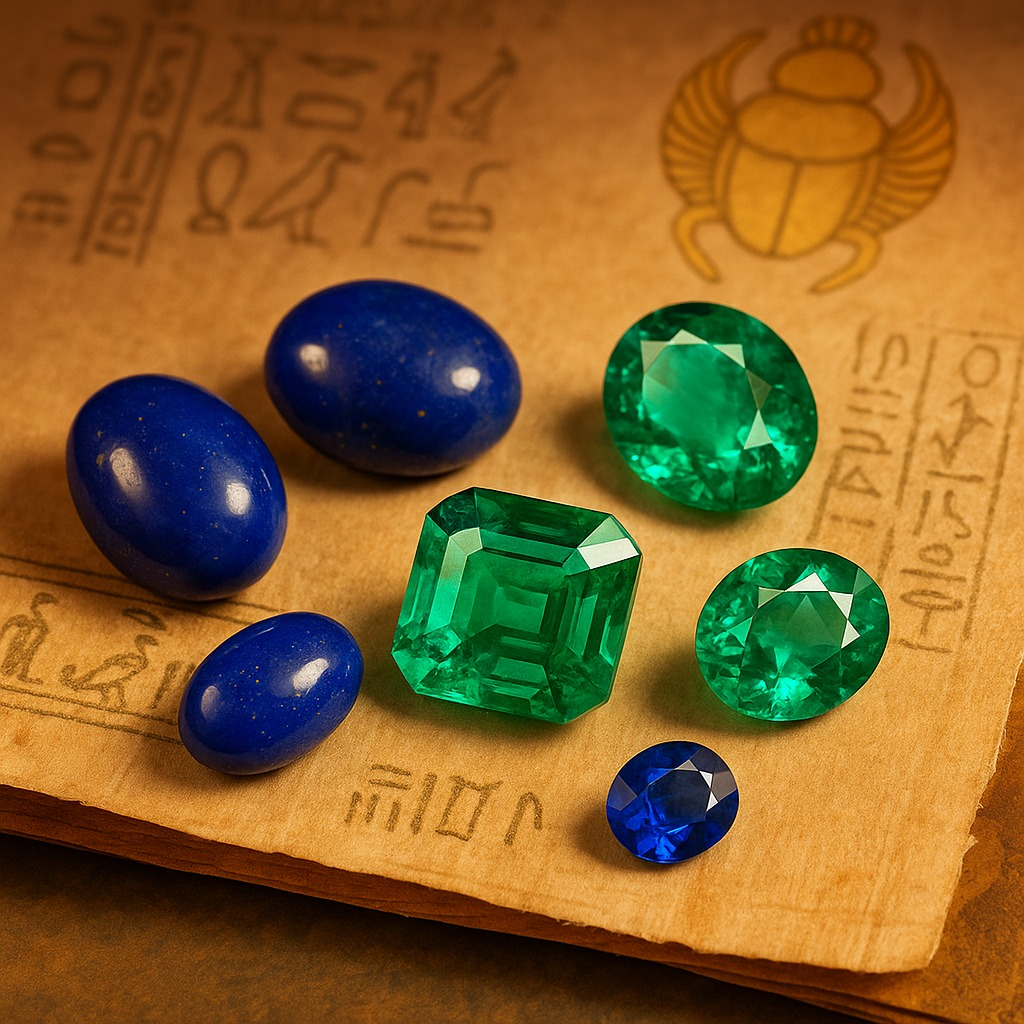
Egypt’s love affair with gems is legendary. Cleopatra herself was said to favour emeralds above all others, and mines near the Red Sea, later known as “Cleopatra’s Mines,” supplied brilliant green jewels to the ancient world.
- Emeralds: Symbolised fertility, rebirth, and eternal youth. Worn by rulers and buried with the dead to ensure safe passage into the afterlife.
- Lapis Lazuli: Imported from Afghanistan, prized for its deep celestial blue, associated with the gods and often carved into protective amulets.
- Carnelian: Favoured for rings and talismans, thought to provide courage and vitality.
For Egyptians, gems were more than decoration — they were sacred symbols embedded into their daily and spiritual lives.
Rome: Gems of Power, Trade, and Prestige

The Romans elevated gems into symbols of empire, power, and identity. With their extensive trade routes, they imported gems from across the known world, ensuring that jewels became central to status and ceremony.
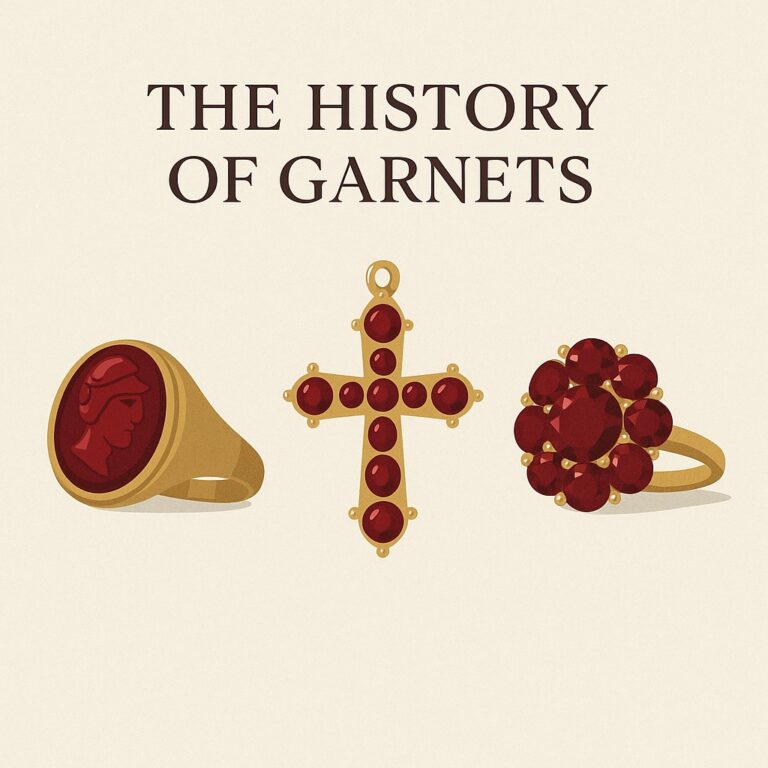
- Sapphires and Garnets: Popular in engraved rings and cameos, often exchanged as tokens of loyalty or authority.
- Pearls: A favourite of Roman noblewomen, representing purity and luxury. Julius Caesar famously passed a law restricting pearls to the ruling classes.
- Trade Commodities: Gems flowed from India, Egypt, and beyond, showing the reach of Roman influence and appetite for luxury.
In Rome, jewellery was both personal adornment and a political statement — an unmistakable sign of wealth and citizenship.
Greece and the Wider Ancient World

Greek mythology is filled with references to gems and their mystical properties. Garnets were associated with Persephone and themes of love and reunion, while amethyst was believed to protect against drunkenness, its name derived from the Greek amethystos (“not intoxicated”).
Through Greece’s trade with India and the East, gems such as sapphires and beryls entered Europe, linking cultures through the exchange of both goods and beliefs.
Gems in Ritual and Spiritual Life

Across civilisations, gems were prized not just for their rarity but for their perceived metaphysical powers:
- Protection: Amulets of carnelian, lapis lazuli, and garnet were worn to guard against harm.
- Healing: Emeralds were thought to soothe the eyes, while pearls were crushed into powders for medicine.
- Divine Connection: Gems were offered to gods, set into crowns, and used in sacred rites as symbols of devotion.
This spiritual dimension gave gems a significance far beyond their visual beauty, embedding them in the heart of cultural identity.
Legacy of Ancient Gem Traditions

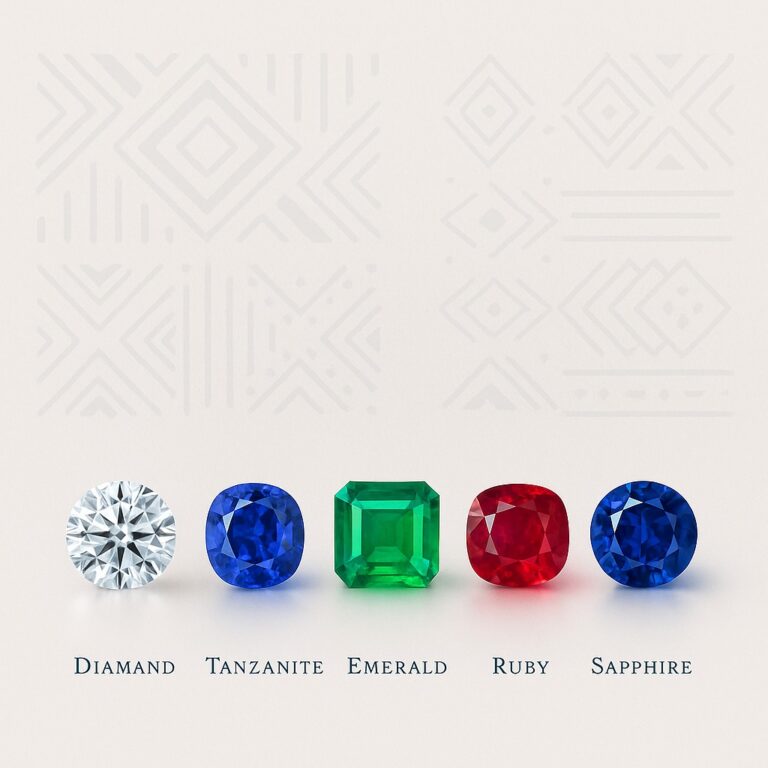
The symbolic roles of gems established thousands of years ago still influence how we view them today. Birthstones, engagement rings, and protective talismans all trace their origins to ancient traditions. Emeralds remain linked to renewal, sapphires to wisdom, and rubies to vitality — echoes of beliefs carried forward through centuries.
The PrinsGems Perspective

At PrinsGems, we see gems as carriers of history as well as beauty. Our collection of certified natural gemstones celebrates the same qualities cherished by ancient civilisations: authenticity, rarity, and symbolism. Whether it is the emeralds beloved by Cleopatra or the sapphires prized by Rome, each gem tells a timeless story.
By offering loose certified gems, PrinsGems allows collectors to connect not only with beauty but also with heritage — ensuring that the legacy of ancient civilisations lives on in every jewel.
Conclusion: Timeless Treasures
Gemstones are not mere ornaments; they are enduring symbols of power, faith, and human creativity. From Egypt’s emerald mines to Rome’s pearl-laden banquets, gems have always carried meaning as well as magnificence.
To hold a gem is to hold a piece of history — a treasure that continues to inspire across generations.