
Why Spinel Is the Underrated Star of High Jewellery
When most people think of high jewellery, their minds go to diamonds, sapphires, emeralds, and rubies. Yet quietly — and increasingly loudly — another gemstone is stepping into the spotlight: spinel. Once overshadowed and even mistaken for ruby, spinel is now recognised as a vibrant, rare, and highly durable gemstone worthy of its place among the great jewels.
At PrinsGems, we believe spinel deserves far greater recognition than it has historically received. Its vivid colours, exceptional brilliance, and fascinating history make it an underrated star in the world of high jewellery.
Spinel in History
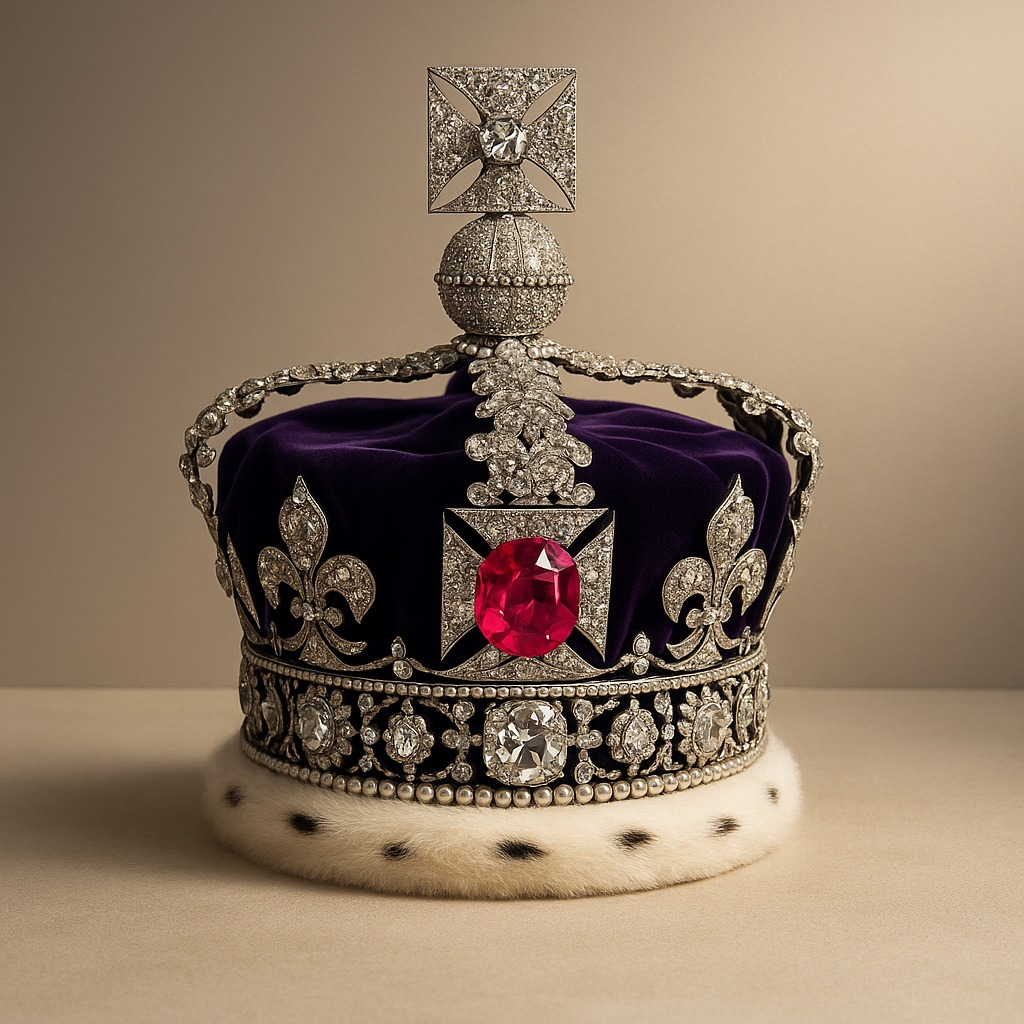
For centuries, spinel’s story was entangled with ruby. The two gemstones often occur in the same geological deposits, and before the development of modern gemmology, they were nearly impossible to distinguish. As a result, many of history’s “great rubies” were, in fact, spinels.
One of the most famous examples is the Black Prince’s “Ruby”, set in the Imperial State Crown of Britain. This large, uncut red jewel above the Cullinan II diamond is not a ruby at all but a magnificent spinel. Another historic example is the Timur Ruby, a 352-carat red spinel in the British Crown Jewels, inscribed with the names of Mughal emperors.
Far from diminishing its value, these historic mix-ups highlight spinel’s longstanding place among royal treasures and its natural beauty that rivalled ruby so convincingly.
Unique Qualities of Spinel

Spinel is celebrated for a combination of qualities that make it exceptional in high jewellery:
- Colour Range: Spinel comes in a spectrum of hues, from the legendary “ruby red” to vivid pinks, purples, cobalt blues, greys, and even rare oranges. Its neon-like vibrancy, particularly in pinks and blues, is unmatched.
- Brilliance and Fire: With a high refractive index, spinel reflects light beautifully, offering a brilliance often compared to sapphire but with a livelier sparkle.
- Durability: Scoring 8 on the Mohs scale, spinel is highly resistant to scratches and tough enough for regular wear, making it suitable for rings, earrings, and necklaces.
- Natural Purity: Unlike rubies, spinels are rarely treated, meaning most spinels available on the market are naturally as nature formed them. This purity appeals to collectors seeking authenticity.
Why Spinel Was Overlooked
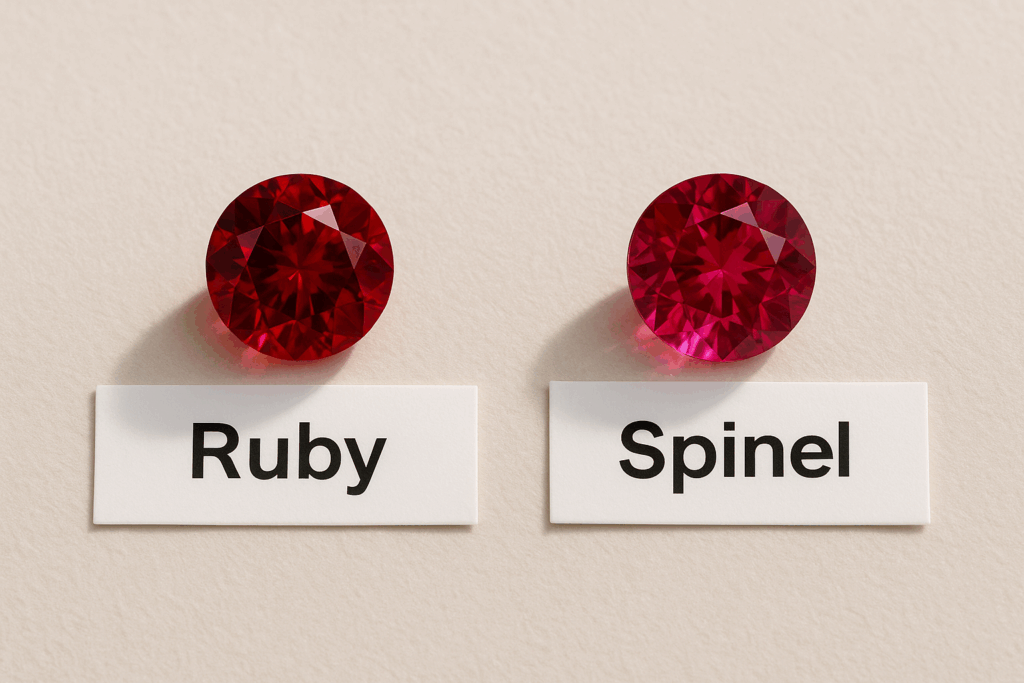
Spinel’s long association with ruby was both its blessing and curse. While it adorned the crowns and treasuries of emperors, its identity was hidden. Once gemmologists learned to distinguish ruby from spinel in the late 18th century, ruby’s prestige soared while spinel was relegated to the background.
Even in modern times, spinel was undervalued because jewellery buyers were less familiar with it. Retailers focused on the “big four” gemstones — diamond, ruby, sapphire, and emerald — leaving spinel outside mainstream attention.
This historical oversight means spinel remains one of the few precious gemstones whose prices have not yet reached the same astronomical levels as its counterparts, offering today’s buyers a rare opportunity.
Spinel in Modern High Jewellery

In the last two decades, leading jewellers have rediscovered spinel. Cartier, Bulgari, and Chanel have incorporated spinel into high jewellery collections, celebrating its electrifying colours. Contemporary designers, too, are drawn to its brilliance and durability, using it in bold cocktail rings, statement earrings, and bespoke one-of-a-kind creations.
Auction houses have also played a role in spinel’s resurgence. Vivid Burmese spinels and neon pink spinels from Tanzania have fetched record-breaking prices, proving its value in the eyes of serious collectors.
Spinel’s rise in modern high jewellery underscores what gemmologists have always known: this is not a “substitute ruby” but a jewel of distinction in its own right.
Spinel vs Other Gems
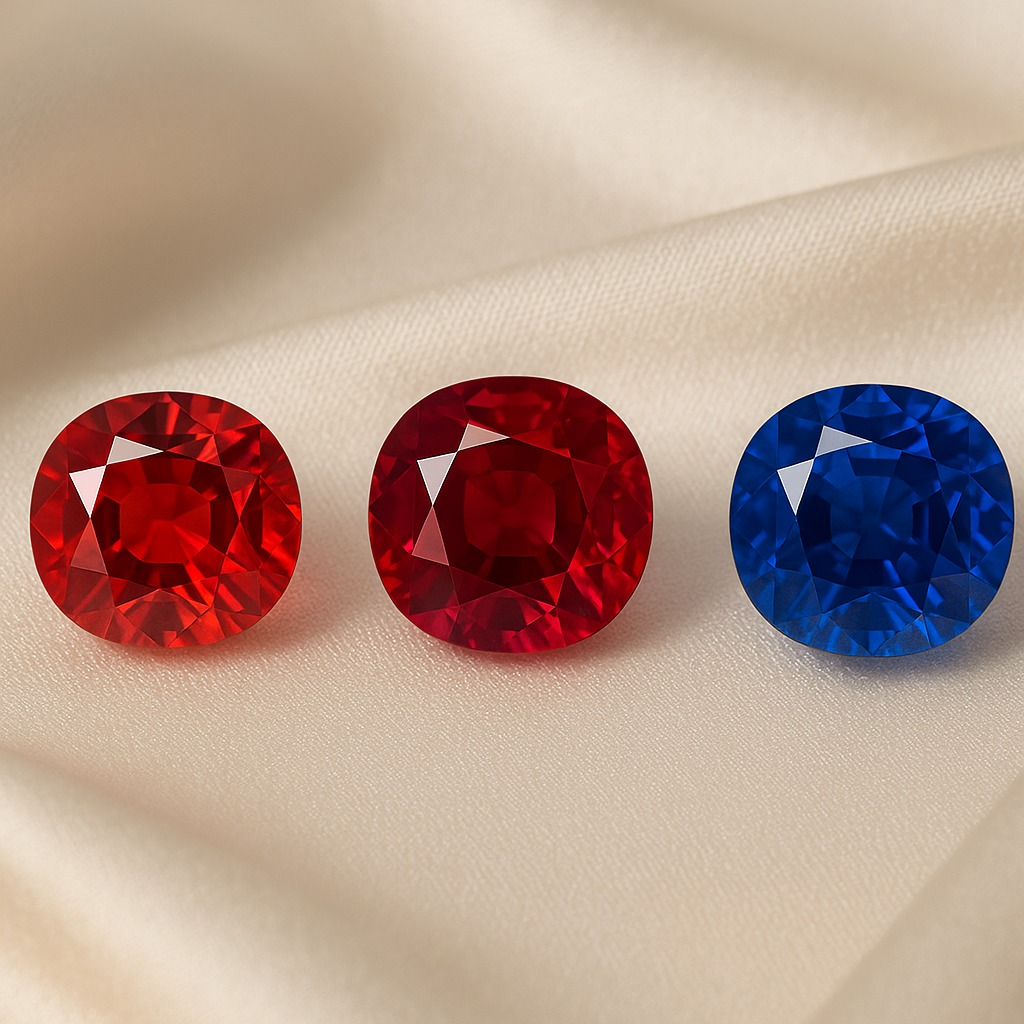
How does spinel compare with its more famous rivals?
- Spinel vs Ruby: Spinel and ruby share a similar red hue, but spinel often exhibits a cleaner brilliance and fewer inclusions. While fine rubies can command astronomical prices, spinels of equal beauty remain significantly more affordable.
- Spinel vs Sapphire: Spinels rival sapphires in colour diversity, particularly in blues and pinks, but offer a unique vibrancy. Unlike sapphire, spinel is rarely treated, giving it an edge in natural authenticity.
- Spinel vs Diamond: Diamonds lead in brilliance and hardness, but spinels stand out for their colour play. In high jewellery, spinel often provides the bold splash of colour that diamonds accentuate.
The conclusion is clear: spinel is not a replacement for ruby or sapphire but a gemstone with its own allure, offering collectors exceptional value and individuality.
Famous Sources of Spinel
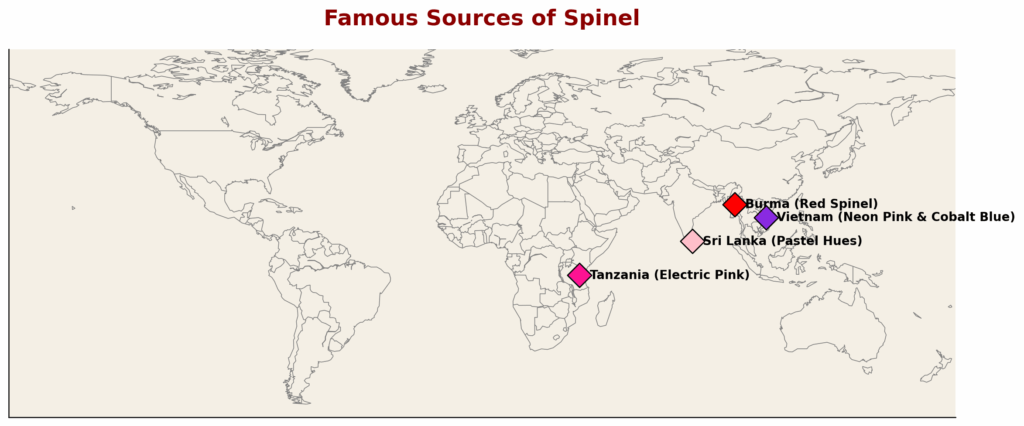
Spinel deposits are found in a few select regions of the world, each producing distinct qualities:
- Burma (Myanmar): Home to some of the most legendary red spinels, often rivaling the finest rubies.
- Sri Lanka (Ceylon): Produces pink, blue, and purple spinels known for their subtle pastel hues.
- Vietnam: Yields intensely coloured spinels, including vibrant neon pinks and cobalt blues.
- Tanzania: Particularly in Mahenge, Tanzania produces the highly prized “electric” pink spinels, sought after at international auctions.
These origins add depth to spinel’s story, placing it among the world’s great gems with provenance as rich as ruby or sapphire.
Why Collectors Value Spinel Today
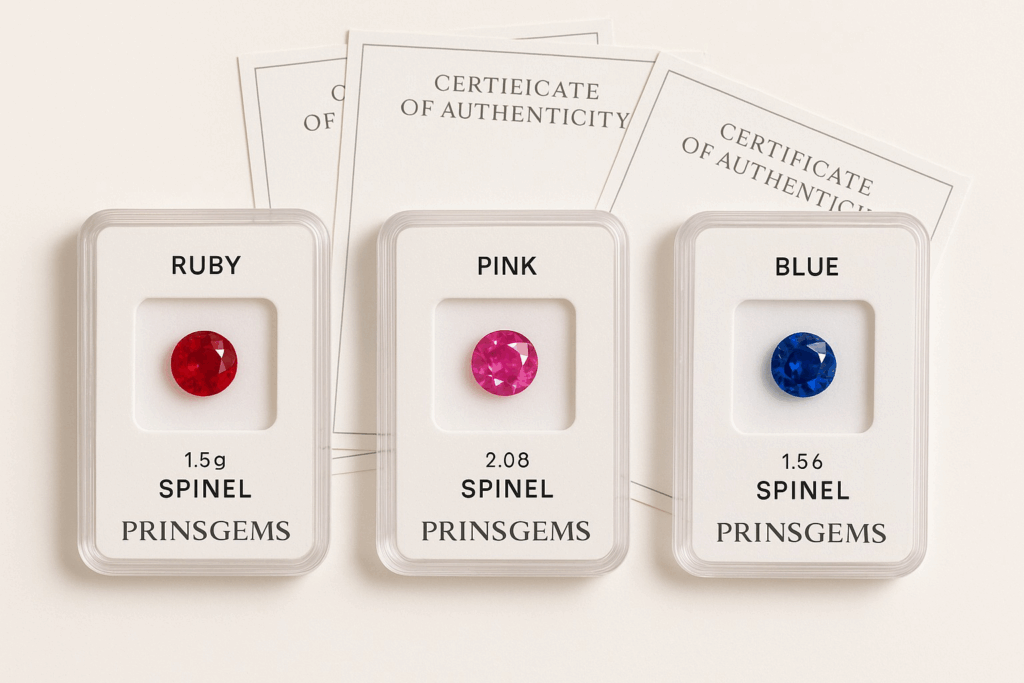
Collectors are increasingly drawn to spinel for several reasons:
- Rarity in Fine Quality: While common spinels exist, fine-quality spinels with vivid colour and large sizes are genuinely rare.
- Relative Affordability: Compared with rubies and sapphires of similar quality, spinel offers extraordinary value.
- Auction Recognition: High prices achieved in recent years confirm that the market now respects spinel’s importance.
- Natural Appeal: The fact that most spinels are untreated enhances their credibility with serious buyers.
In short, spinel is one of the few gemstones that combines rarity, beauty, durability, and an undervalued price point — a compelling combination for both wearers and investors.
Conclusion: Spinel Steps into the Spotlight
For centuries, spinel was mistaken for ruby, admired but unnamed, treasured yet undervalued. Today, it emerges from ruby’s shadow as one of the most dynamic gems in the world of high jewellery. Its dazzling colours, natural brilliance, and enduring durability place it firmly among the jewels of distinction.
At PrinsGems, we celebrate spinel not as a substitute but as a star. Our certified spinels are carefully curated to meet the highest standards of beauty and authenticity, offering clients the chance to own a gem that is both historically significant and perfectly suited to modern design.
To explore spinel is to discover a world of colour and brilliance waiting to be recognised. No longer the understudy, spinel deserves its rightful place centre stage.