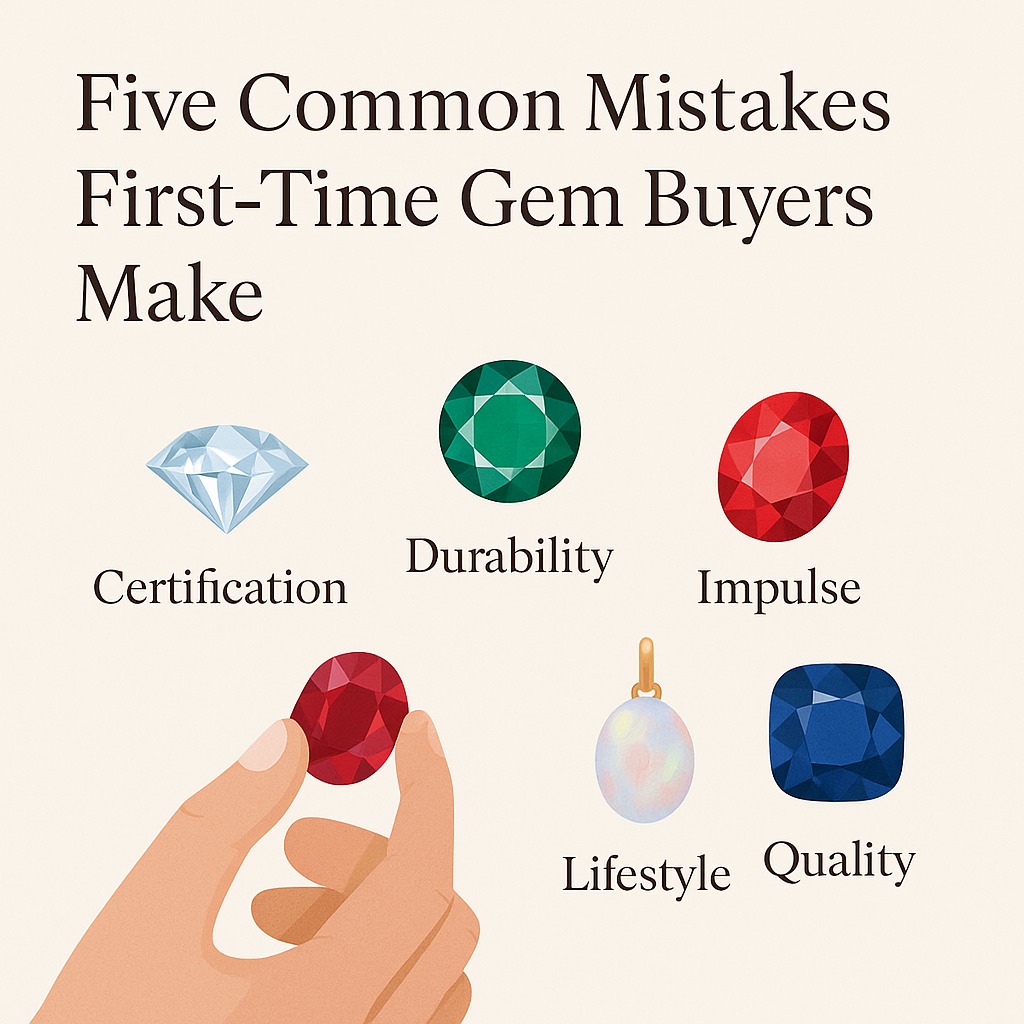
Five Common Mistakes First-Time Gem Buyers Make
Buying a gemstone is an exciting experience. Whether it is your first loose gem for a future bespoke piece, or a jewel to commemorate a milestone, the process combines beauty, rarity, and emotional value. Yet for first-time buyers, it can also feel overwhelming. With so many choices, technical details, and market variations, it is easy to make decisions that compromise both value and long-term enjoyment.
At PrinsGems, we see it as our responsibility to guide clients with clarity and integrity. Below, we explore five of the most common mistakes first-time gem buyers make — and how to avoid them.
Mistake 1: Overlooking Certification
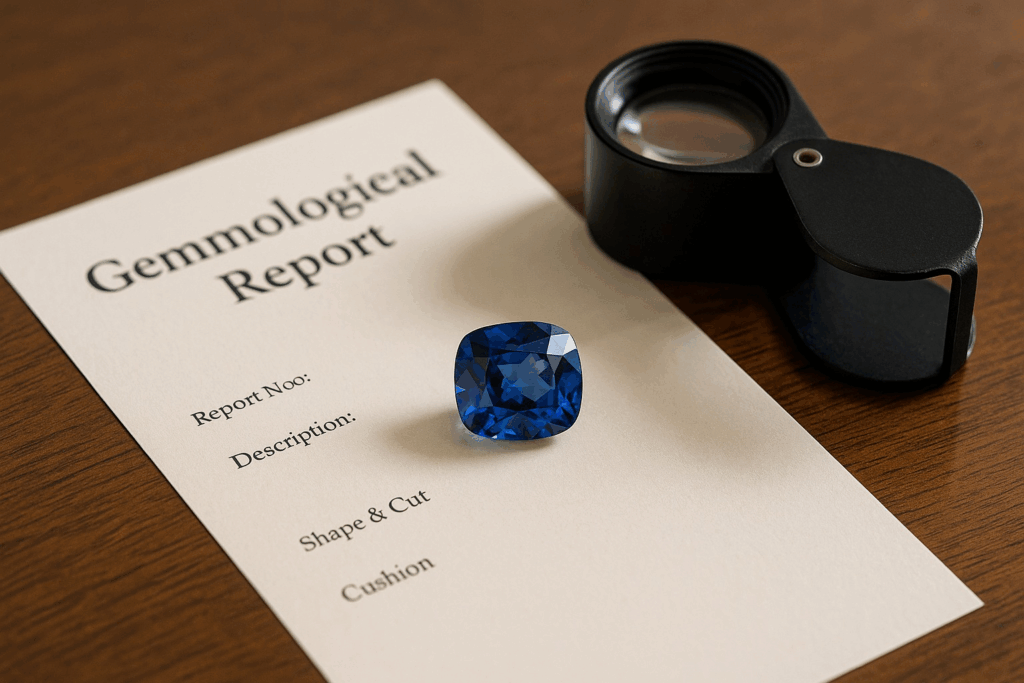
The most critical safeguard in gem buying is certification. Independent laboratory reports confirm a gemstone’s identity, authenticity, and key characteristics such as colour, clarity, cut, and weight. Without certification, you rely solely on the seller’s word — a risky step for such a valuable purchase.
Why it matters:
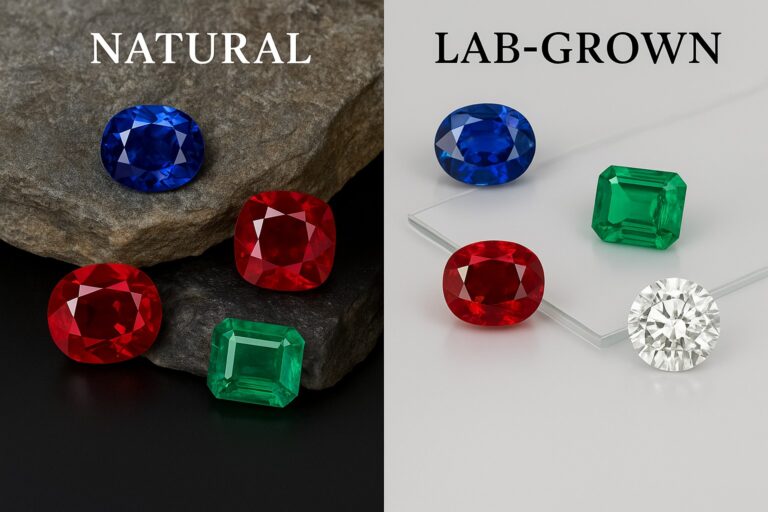
- Certification verifies whether a gem is natural or synthetic.
- It records treatments such as heating or fracture filling, which affect durability and value.
- It provides assurance of quality and helps when reselling or insuring the jewel.
Examples of trusted laboratories:
- GIA (Gemological Institute of America) – globally recognised for rigorous standards.
- EGL (European Gemological Laboratory) – respected for gemstone identification and grading.
- Local South African gem labs – provide regionally relevant certification, especially for gems like tanzanite.
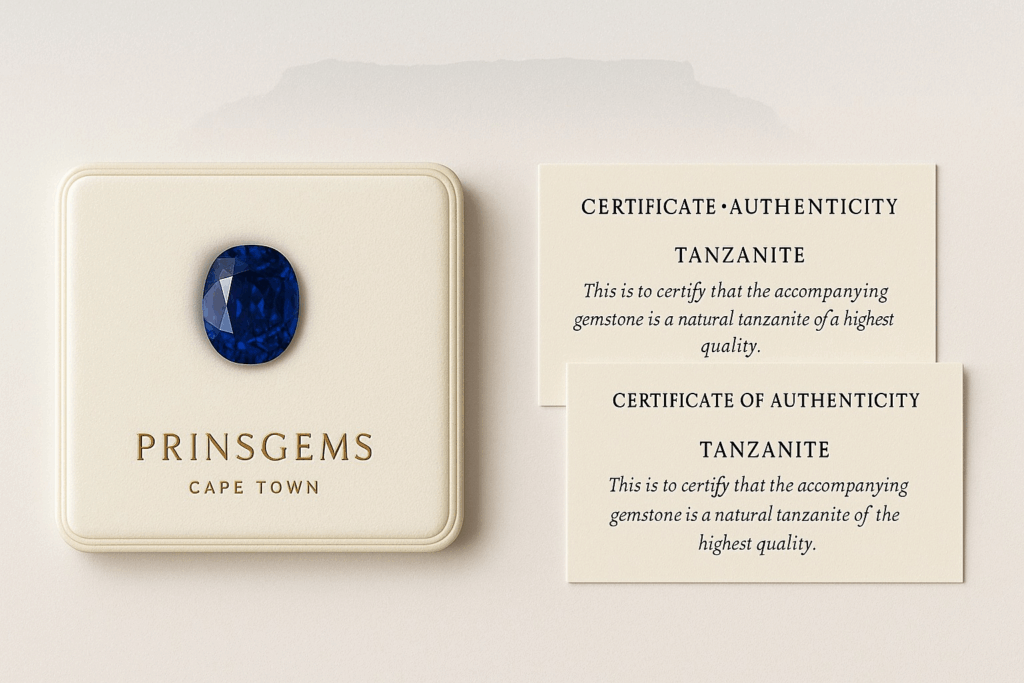
At PrinsGems, every gemstone we present is backed by certification, giving our clients peace of mind and a reliable benchmark of value.
Mistake 2: Confusing Hardness and Durability
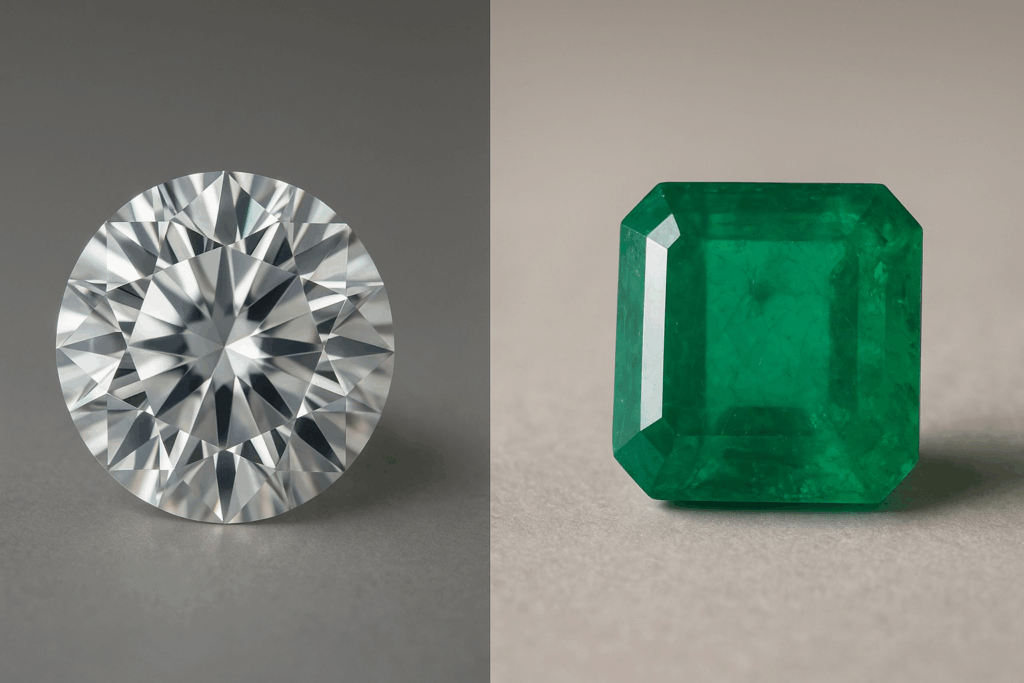
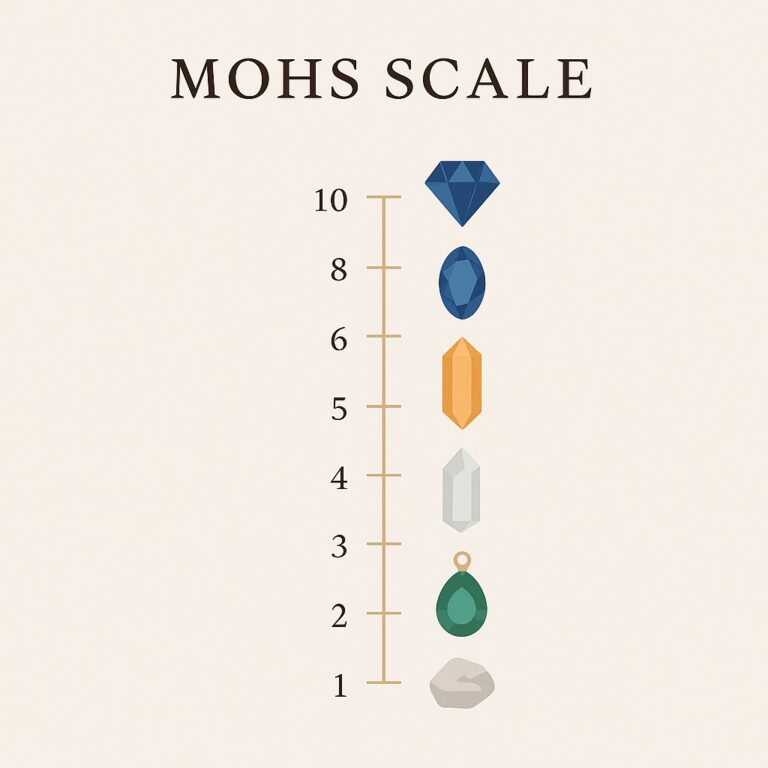
Many buyers equate hardness with toughness, but these are distinct qualities. Hardness, measured by the Mohs scale, indicates resistance to scratching. Durability, however, encompasses toughness — the ability to resist breaking or chipping — and stability against heat, light, and chemicals.
Practical examples:
- Diamond (10 on the Mohs scale): The hardest natural material, yet its cleavage planes make it vulnerable to sharp blows.
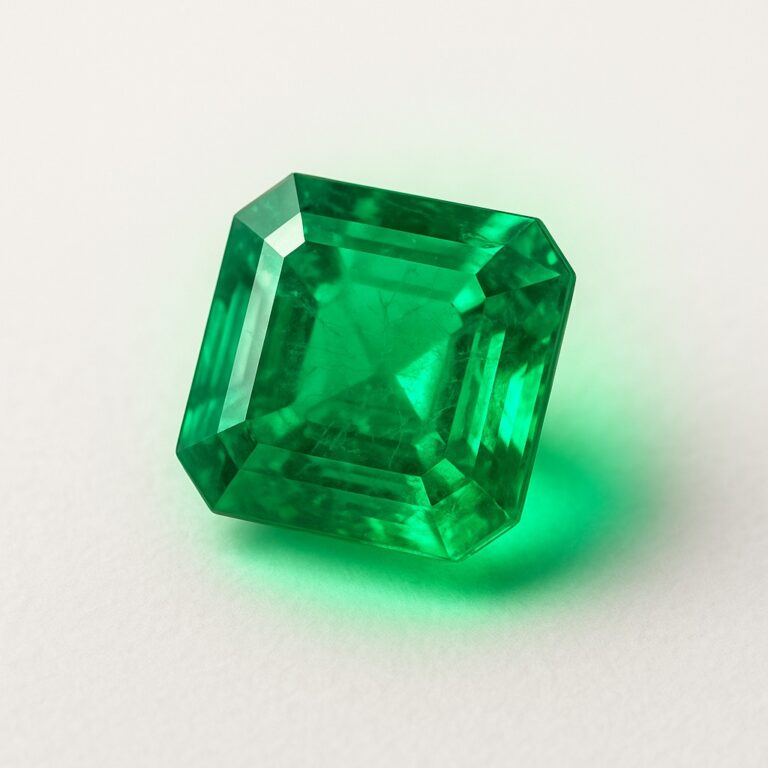
- Emerald (7.5–8): Hard enough to resist scratches, but internal inclusions make it brittle.
- Opal (5.5–6.5): Comparatively soft and porous, requiring extra care in daily wear.
Takeaway: Hardness alone does not guarantee a practical, everyday gem. First-time buyers should understand the difference to select a jewel suited to their lifestyle.
Mistake 3: Buying on Impulse or Emotion Alone
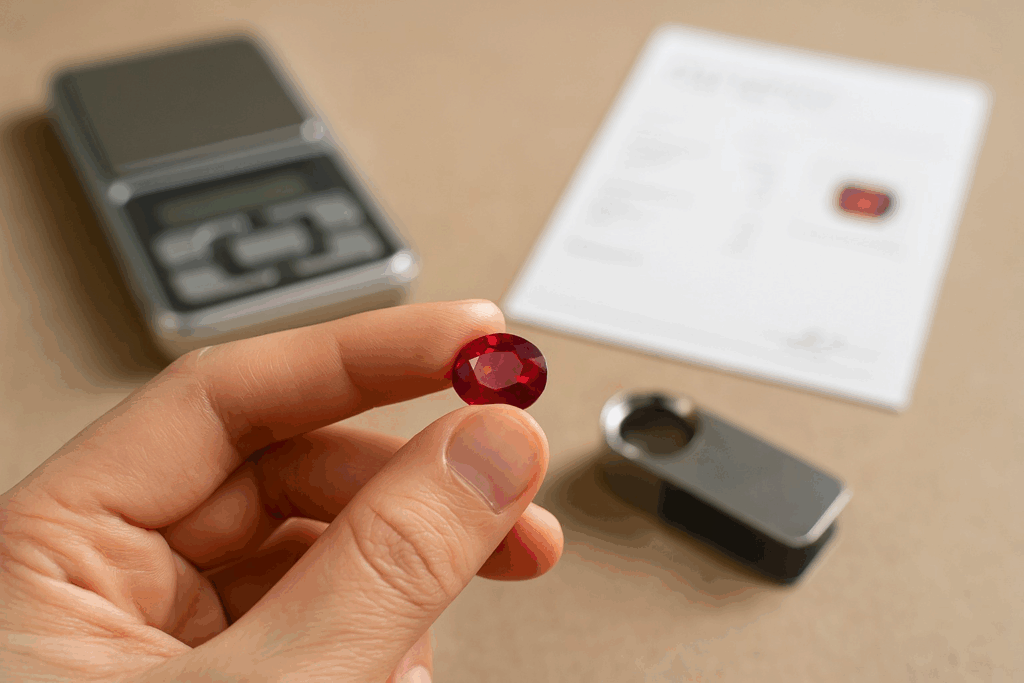
Colour is often the first quality that captures attention. A vivid ruby or glowing sapphire can stir immediate desire. Yet buying on colour alone — or worse, on a rush of emotion — can lead to disappointment.
Common pitfalls:
- Ignoring clarity: A beautiful hue may mask inclusions that compromise durability.
- Overlooking cut: Poorly cut gems can appear dull, even if colour and clarity are fine.
- Skipping provenance: Without knowing the source, you may miss important details about rarity and value.
A thoughtful purchase considers the full picture: colour, clarity, cut, carat, certification, and provenance. At PrinsGems, our gemologists take time to explain these factors, ensuring buyers make confident, informed decisions.
Mistake 4: Ignoring Lifestyle Suitability
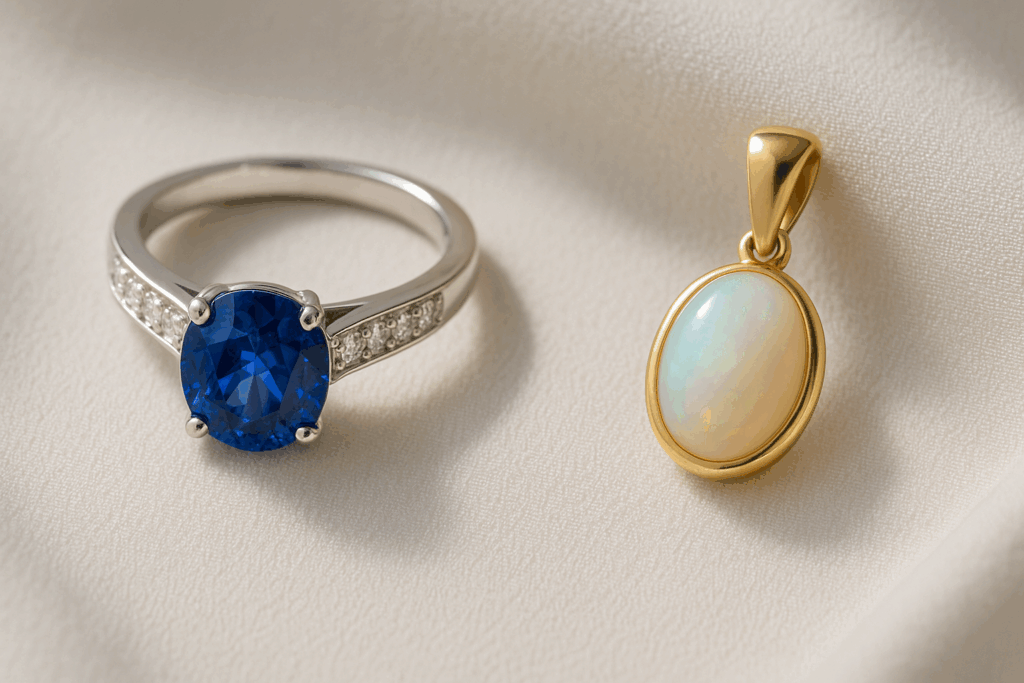
A gemstone is not just an object of beauty — it is something you will live with. For first-time buyers, lifestyle is often overlooked when choosing a gem.
Everyday wear: Engagement rings, bracelets, and watches demand hard, durable gems such as diamonds, sapphires, or rubies.
Occasional wear: Emeralds, tanzanites, and pearls are exquisite but require protective settings and gentler use.
Collectors’ pieces: Softer gems such as opals, apatite, or turquoise are best reserved for special occasions or display.
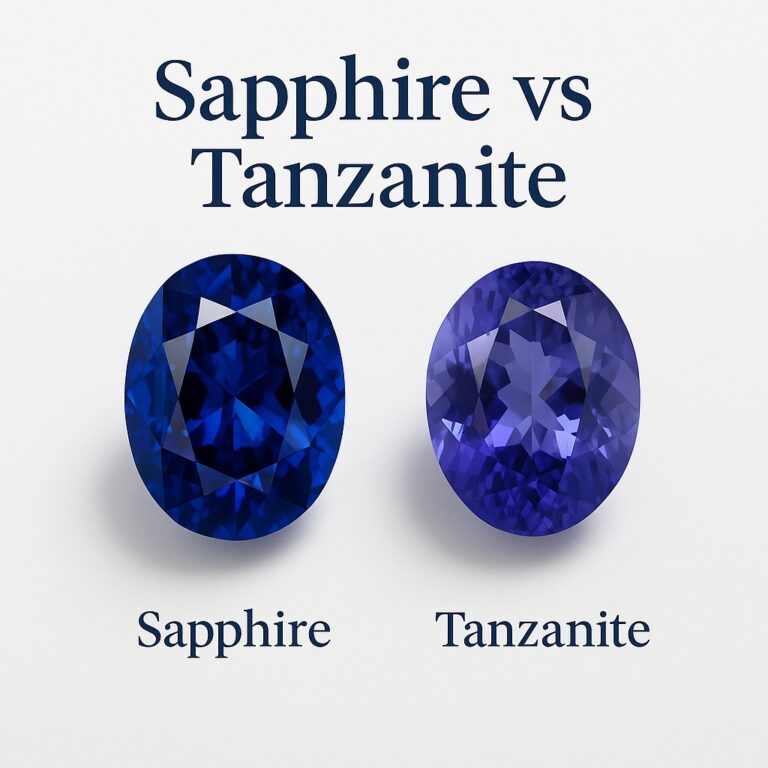
Case in point: A client may fall in love with the velvety blue of tanzanite, but if they seek an engagement ring to be worn daily, sapphire is a wiser choice. Understanding this distinction prevents disappointment and ensures longevity.
Mistake 5: Choosing Price over Quality
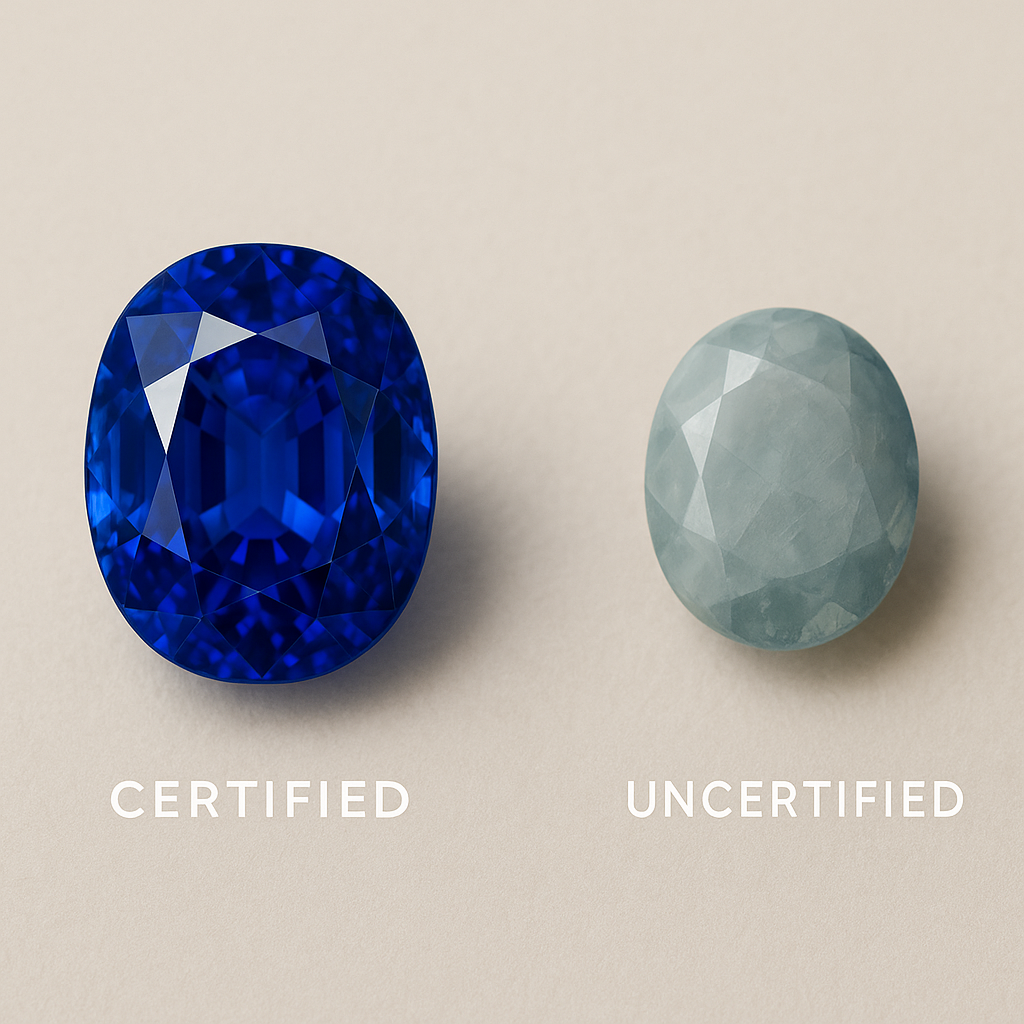
It is tempting to shop by price alone, but focusing on the cheapest option often leads to costly regrets. A lower-priced gem may have:
- Inferior colour or clarity.
- Visible inclusions or cracks.
- Extensive treatments or enhancements.
- Poor cutting, reducing brilliance.
- Lack of certification.
These compromises can reduce the lifespan, beauty, and resale value of the gem. In contrast, investing in quality ensures a jewel that retains both its splendour and its worth.
At PrinsGems, we guide clients to balance budget and quality — selecting gems that offer true value without hidden risks.
How to Buy Confidently
Avoiding these common mistakes transforms gem buying from a gamble into a rewarding experience. For first-time buyers, here are guiding principles to remember:
- Always demand certification from a trusted laboratory.
- Learn the difference between hardness and durability.
- Balance emotion with evaluation, considering colour, clarity, cut, carat, and provenance.
- Choose gems suited to your lifestyle.
- Prioritise quality, not just price.
By following these steps, you ensure that your first gem purchase is both meaningful and enduring.
Why PrinsGems?
PrinsGems was founded as a sister company to Prins & Prins Diamonds, Cape Town’s heritage jeweller. Within this legacy, our gemmologists curate certified loose gemstones of exceptional quality — from fiery garnets to regal sapphires and rare tsavorites.
Every gem is chosen with integrity, expertise, and an understanding that clients deserve both beauty and assurance. Whether you are buying your first gem or adding to a collection, our team helps you make decisions with confidence, ensuring your jewel becomes a lasting treasure.