The Journey of Pearls: Natural, Cultured, and Their Role in History
Pearls are unlike any other gem. Born from the sea rather than mined from the earth, they have fascinated humanity for thousands of years. Their soft lustre, natural beauty, and cultural symbolism have made them emblems of purity, wealth, and timeless elegance. Today, pearls continue their journey from ancient amulets and royal regalia to modern jewellery, bridging history with contemporary design.
At PrinsGems, we see pearls as more than adornments — they are organic jewels with a legacy that mirrors the story of civilisation itself.
Pearls in Antiquity
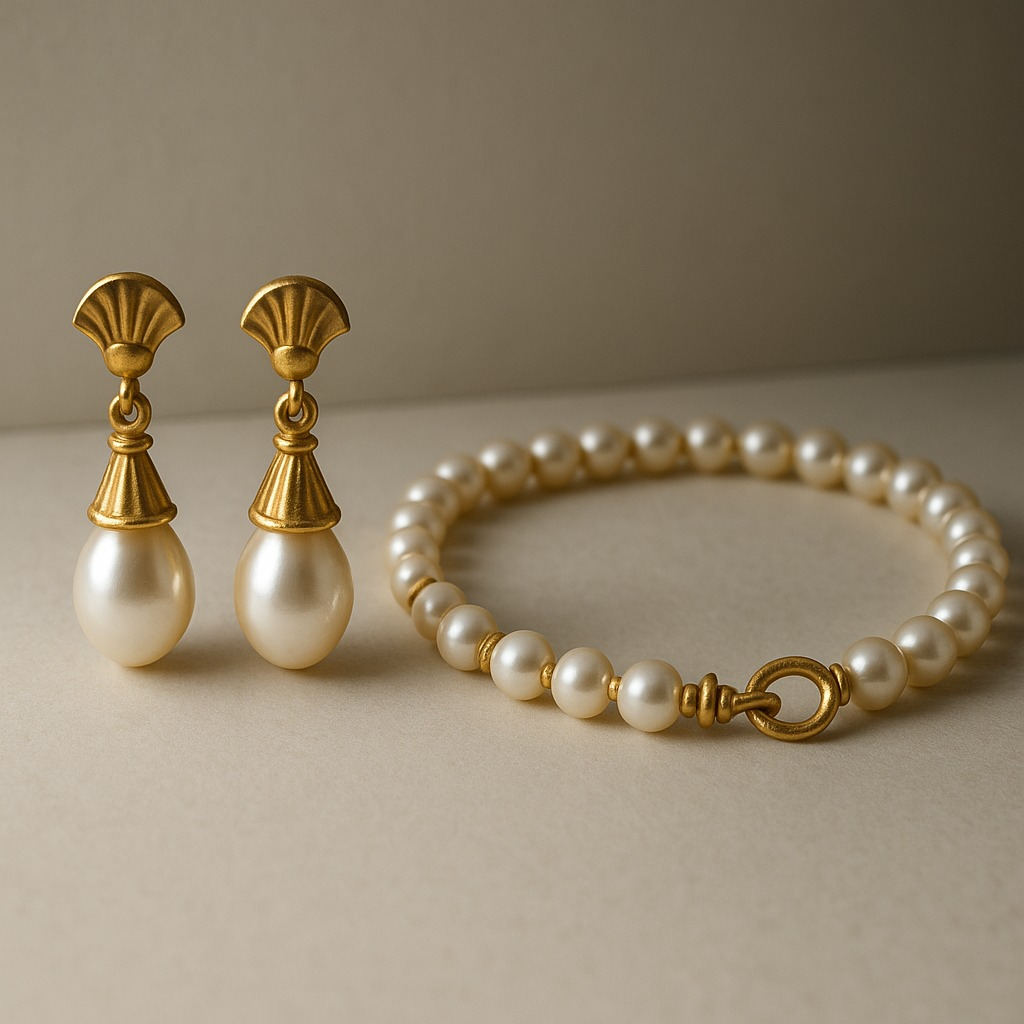
The earliest recorded admiration for pearls comes from Mesopotamia and Ancient Egypt. Cleopatra, famed for her grandeur, is said to have dissolved a magnificent pearl in vinegar and drunk it to prove her unrivalled wealth. Pearls were buried with Egyptian royalty, symbolising status and eternity.
In Rome, pearls became an obsession among the elite. Julius Caesar once passed a law restricting the wearing of pearls to the ruling class, underscoring their association with power. Roman matrons draped themselves in pearl necklaces and earrings, while generals decorated their armour with pearls to project authority.
Across the globe, Chinese emperors regarded pearls as symbols of wisdom and protection. In India, pearls were gifted to royalty as tokens of love and prestige. The universality of their appeal — across cultures separated by vast distances — highlights the unique position of pearls as the world’s most treasured organic gem.
Medieval and Renaissance Periods
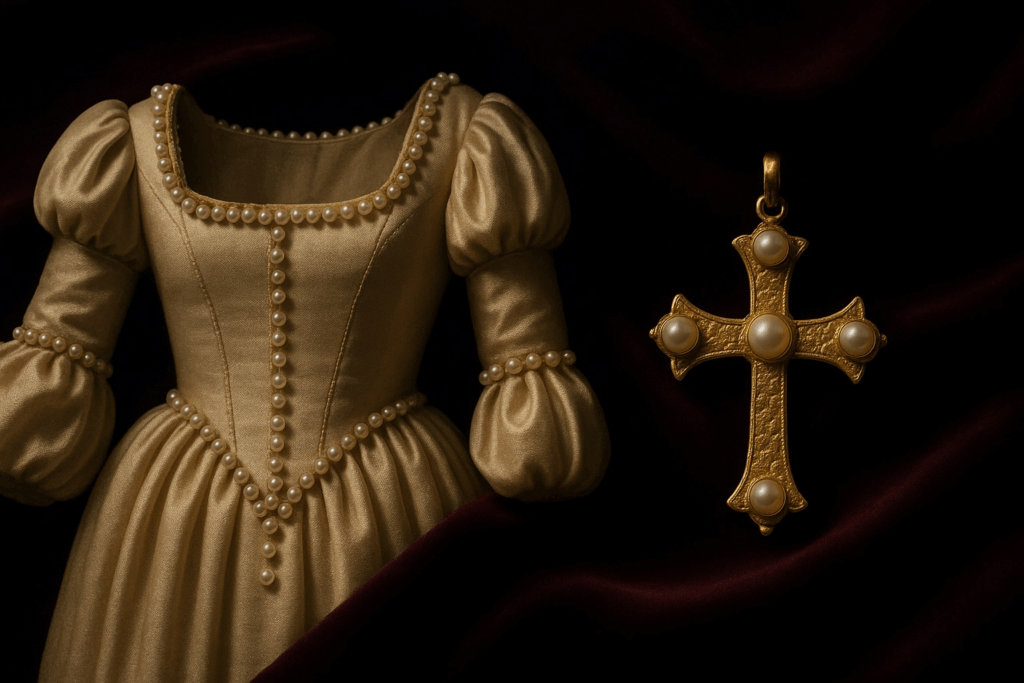
During the Middle Ages, pearls held deep spiritual and religious significance. They were sewn into ecclesiastical garments, chalices, and reliquaries, representing purity and divine grace. Monarchs across Europe wore pearls as visible symbols of their sacred right to rule.
The Renaissance intensified this fascination. Portraits of European queens, particularly Elizabeth I of England, depict gowns heavily embroidered with pearls. They became the ultimate emblem of nobility and sophistication. Ownership was so strictly tied to class that laws in some regions forbade commoners from wearing them. Pearls, both in their natural rarity and their cultural weight, were synonymous with privilege.
The Age of Exploration
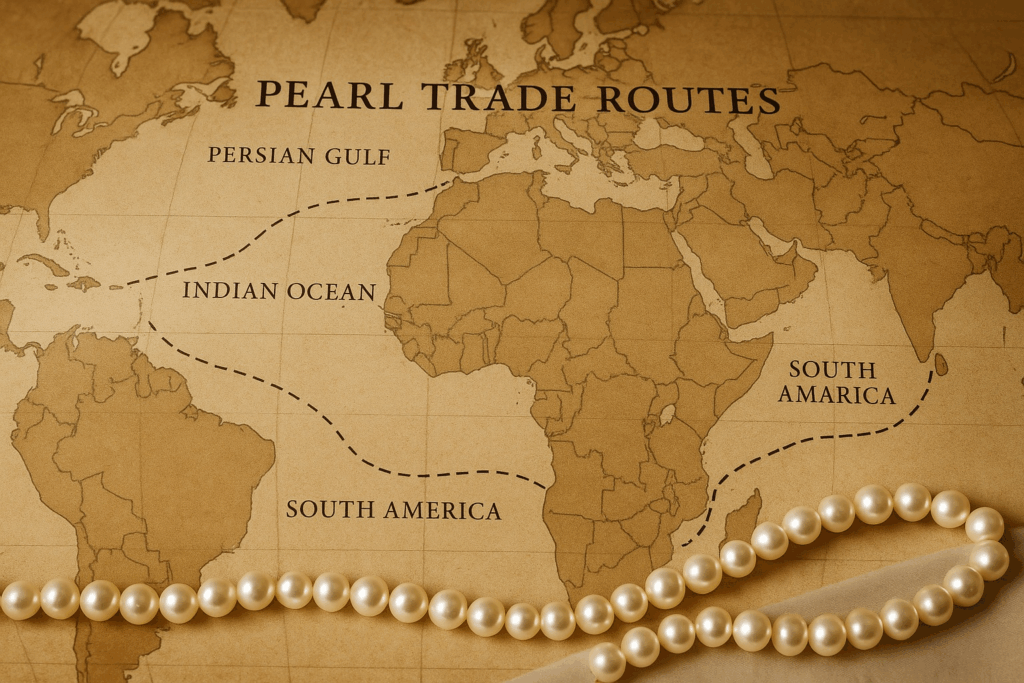
The 15th and 16th centuries expanded the world’s access to pearls. European explorers discovered rich pearl fisheries in the Persian Gulf, the Indian Ocean, and the waters of the Americas. For a time, pearls were so abundant from Venezuelan and Panamanian coasts that they were referred to as the “Pearl Age.”
However, overharvesting soon depleted many natural sources. By the 18th century, natural pearls were so scarce that only the wealthiest could obtain them. This scarcity further elevated pearls as symbols of unattainable luxury.
Natural vs Cultured Pearls
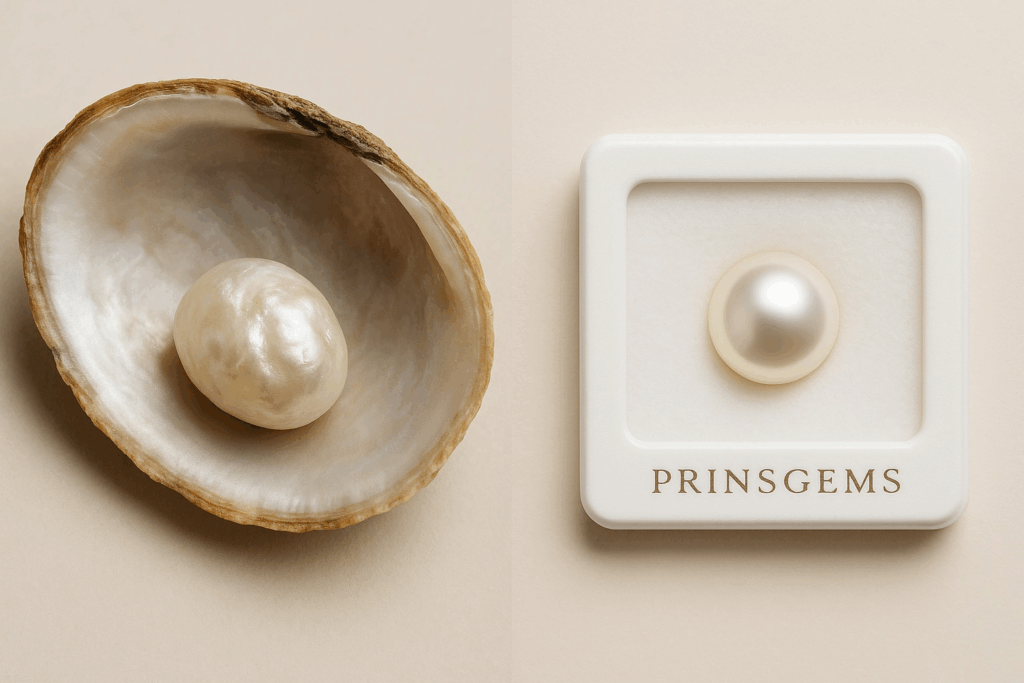
Natural pearls form when an irritant becomes lodged within a mollusc, and nacre (the substance also forming mother-of-pearl) is secreted around it over many years. Such pearls are extraordinarily rare — a diver might search through thousands of oysters to find a single gem-quality pearl.
This scarcity made pearls the most expensive gems in the world until the early 20th century, when Japanese innovator Mikimoto Kōkichi perfected the art of pearl cultivation. By inserting a nucleus into oysters and carefully farming them, Mikimoto created cultured pearls.
This breakthrough democratised pearls, making them accessible beyond aristocracy while preserving their beauty. Cultured pearls today dominate the market, with natural pearls remaining exceedingly rare and commanding record prices at auctions.
Types of Cultured Pearls
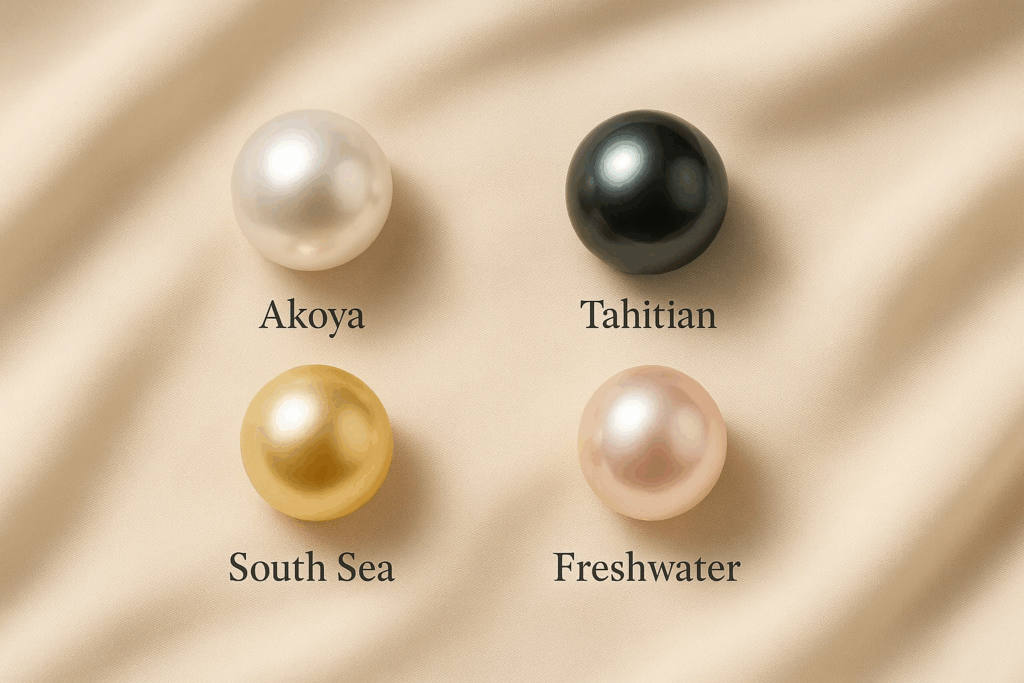
Not all cultured pearls are the same. Their origin, colour, and size vary, creating distinct categories admired by jewellers and collectors alike:
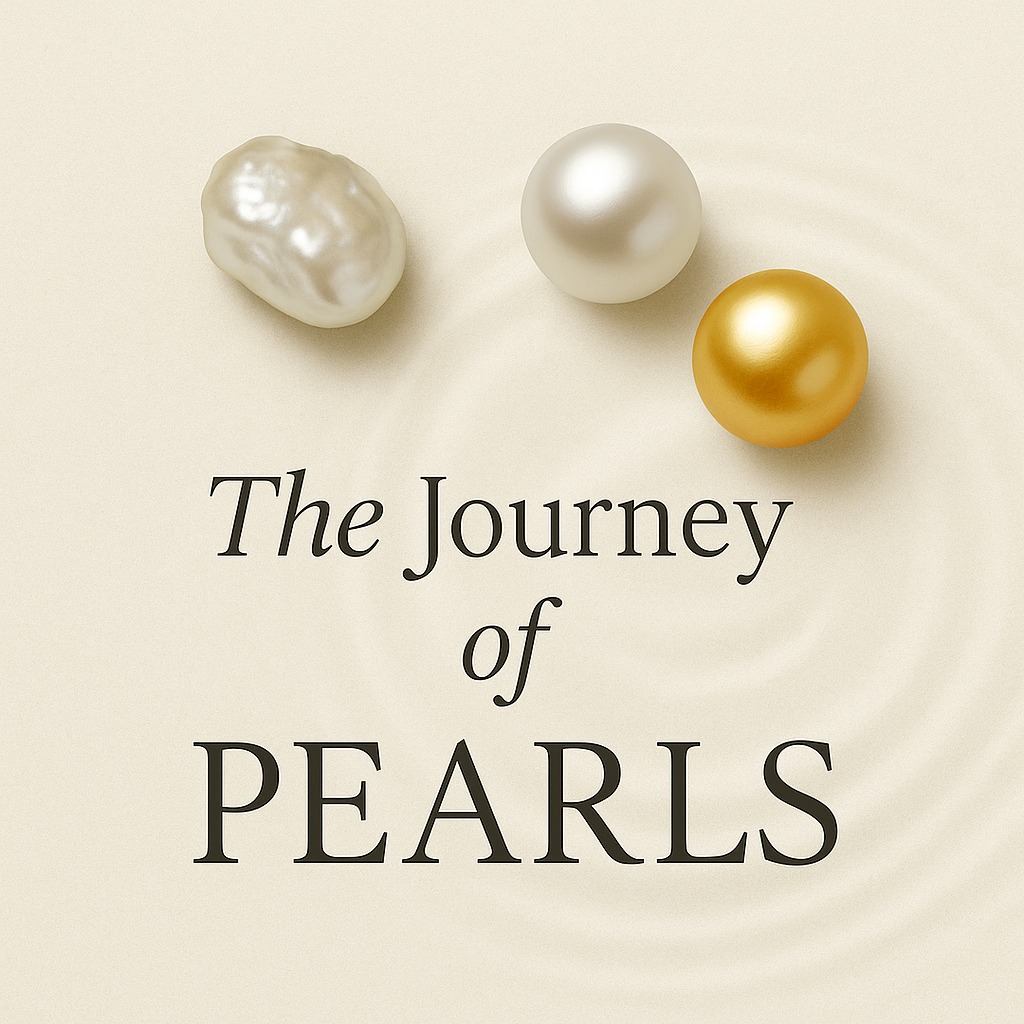
- Akoya Pearls – Traditionally from Japan, known for their perfectly round shapes, smaller sizes, and classic white to cream colours with rose or silver overtones. They are the archetype of the pearl necklace.
- Tahitian Pearls – Cultivated in French Polynesia, these are renowned for their dramatic colours, ranging from silver-grey to peacock green and aubergine.
- South Sea Pearls – Grown in the warm waters of Australia, Indonesia, and the Philippines, they are the largest and among the most valuable cultured pearls, prized for their satin lustre and golden hues.
- Freshwater Pearls – Cultivated primarily in China, they offer a wide variety of shapes and pastel colours at more accessible price points, making them popular for contemporary designs.
Each type reflects the diversity of the oceans and the artistry of cultivation, ensuring pearls remain one of the most versatile jewels in the modern era.
Pearls in Modern Jewellery
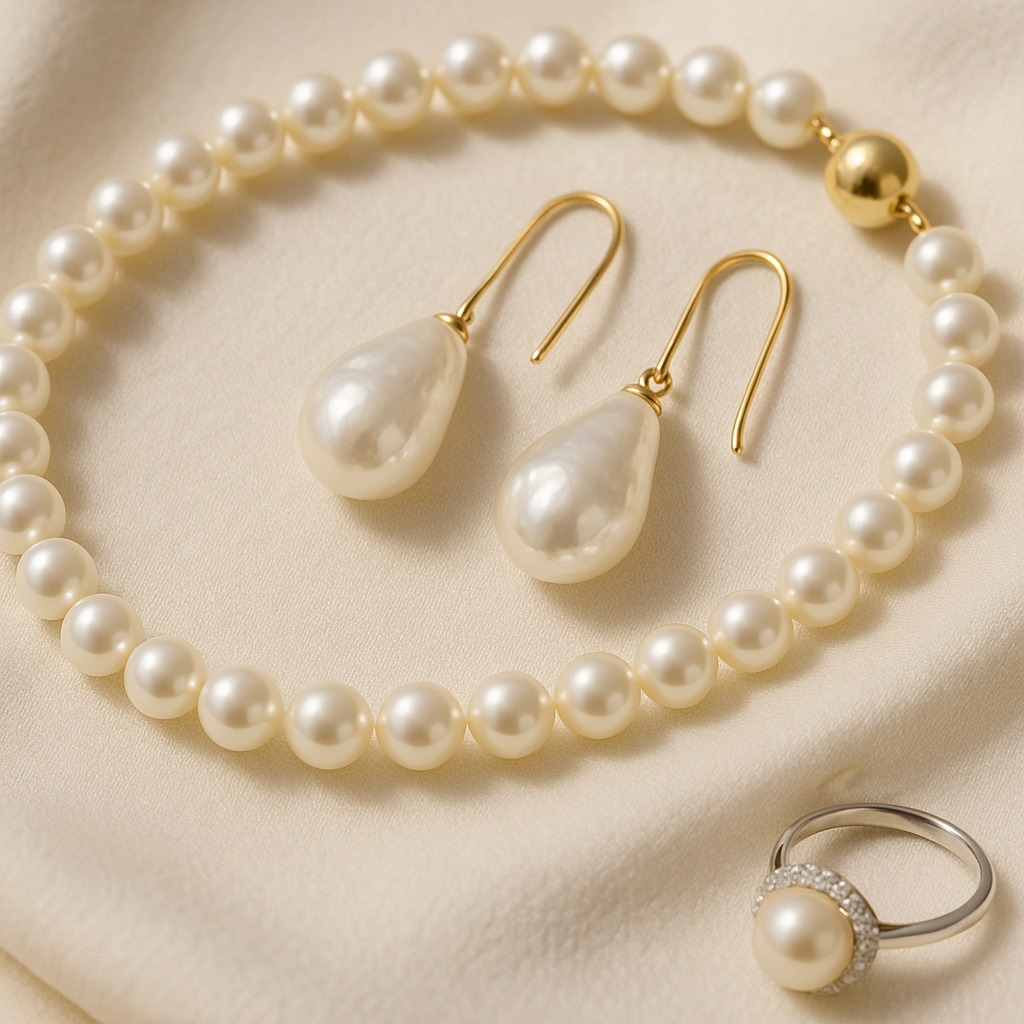
From Coco Chanel’s layered pearl necklaces to the enduring elegance of Jacqueline Kennedy Onassis, pearls have never gone out of style. In the 21st century, designers have reinterpreted pearls in fresh, contemporary ways — baroque shapes, mixed with diamonds or coloured gemstones, and set in both classic and minimalist designs.
In bridal jewellery, pearls continue to symbolise purity and elegance, making them timeless choices for weddings. In fine fashion, they embody effortless sophistication, equally suited to daily wear or gala occasions.
In Cape Town, pearls hold a special resonance. As a city that bridges African heritage and global luxury, pearls connect local collectors with an international legacy, offering both timeless beauty and a reminder of the seas that surround the Cape.
Symbolism and Appeal Today
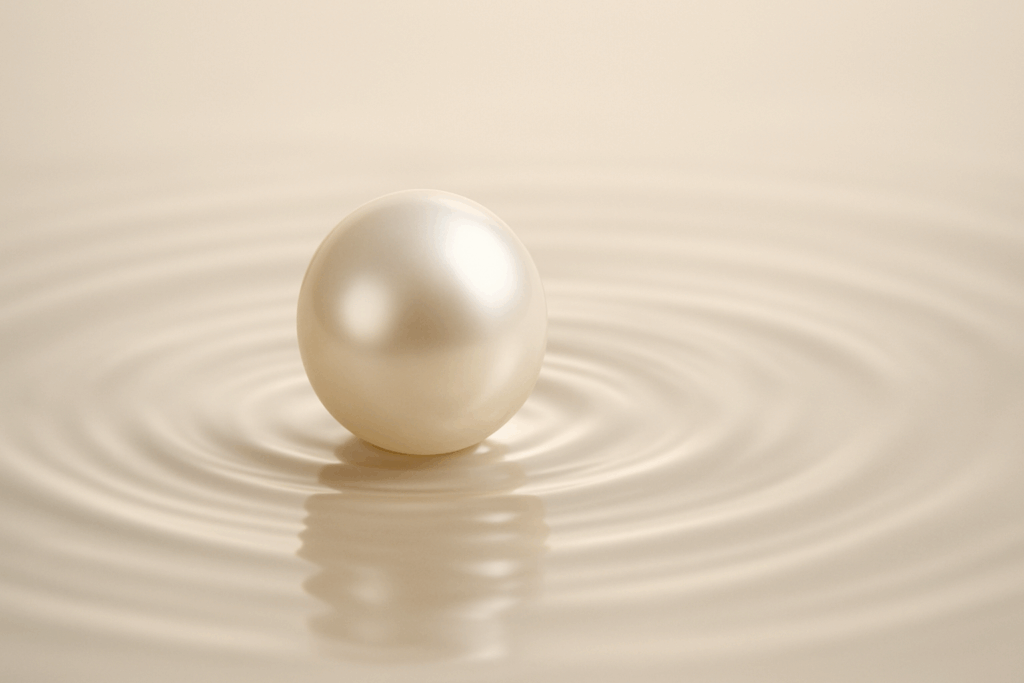
Pearls remain unmatched in their symbolism:
- Purity and innocence – often associated with bridal traditions.
- Wisdom and renewal – celebrated in Eastern philosophies.
- Wealth and status – a theme that has endured since antiquity.
Beyond symbolism, pearls appeal for their natural elegance. Unlike cut gemstones, pearls need no faceting or polishing to reveal their beauty. They are treasures already perfected by nature and time.
Conclusion: The Enduring Journey of Pearls
From ancient Egyptian tombs and Roman palaces to modern catwalks and Cape Town jewellers, pearls have travelled a remarkable journey. Natural pearls, rare and priceless, remain symbols of history and heritage. Cultured pearls, meanwhile, continue to enchant the world, offering beauty and accessibility while honouring tradition.
At PrinsGems, we present pearls as part of this enduring legacy — certified, carefully curated, and chosen with the same integrity that has guided Prins & Prins Diamonds for decades. To wear a pearl is not only to adorn oneself with a jewel but also to carry a piece of history, elegance, and the ocean’s enduring gift.