Tourmaline’s Rainbow: A Guide to Every Shade and Its Rarity
Few gemstones capture the imagination quite like tourmaline. Known as the “gem of the rainbow,” tourmaline is admired for its extraordinary range of colours — from rich reds and neon blues to pastel pinks, vivid greens, and unique multi-coloured crystals. Unlike most gemstones, which are typically recognised by a signature hue, tourmaline exists in a spectrum so broad that almost every colour of nature is represented.
At PrinsGems, we celebrate tourmaline not only for its beauty but also for its diversity. This guide explores the many shades of tourmaline, their relative rarity, and why this versatile gemstone has earned a place in both historic and contemporary jewellery.
Tourmaline’s Unique Spectrum

Tourmaline is one of the most versatile gems in the world. Its name originates from toramalli, a Sinhalese word meaning “mixed gems,” reflecting the variety of crystals often found together in one deposit. Unlike diamonds, sapphires, or rubies, tourmaline is not defined by a single iconic colour. Instead, it offers jewellery lovers an unparalleled palette, ranging from vibrant greens and deep blues to fiery reds, delicate pinks, and even gems that display two or three colours at once.
This remarkable diversity arises from the mineral’s complex chemistry. Small changes in trace elements during formation can result in entirely different hues, making each tourmaline unique.
Pink and Red Tourmaline (Rubellite)
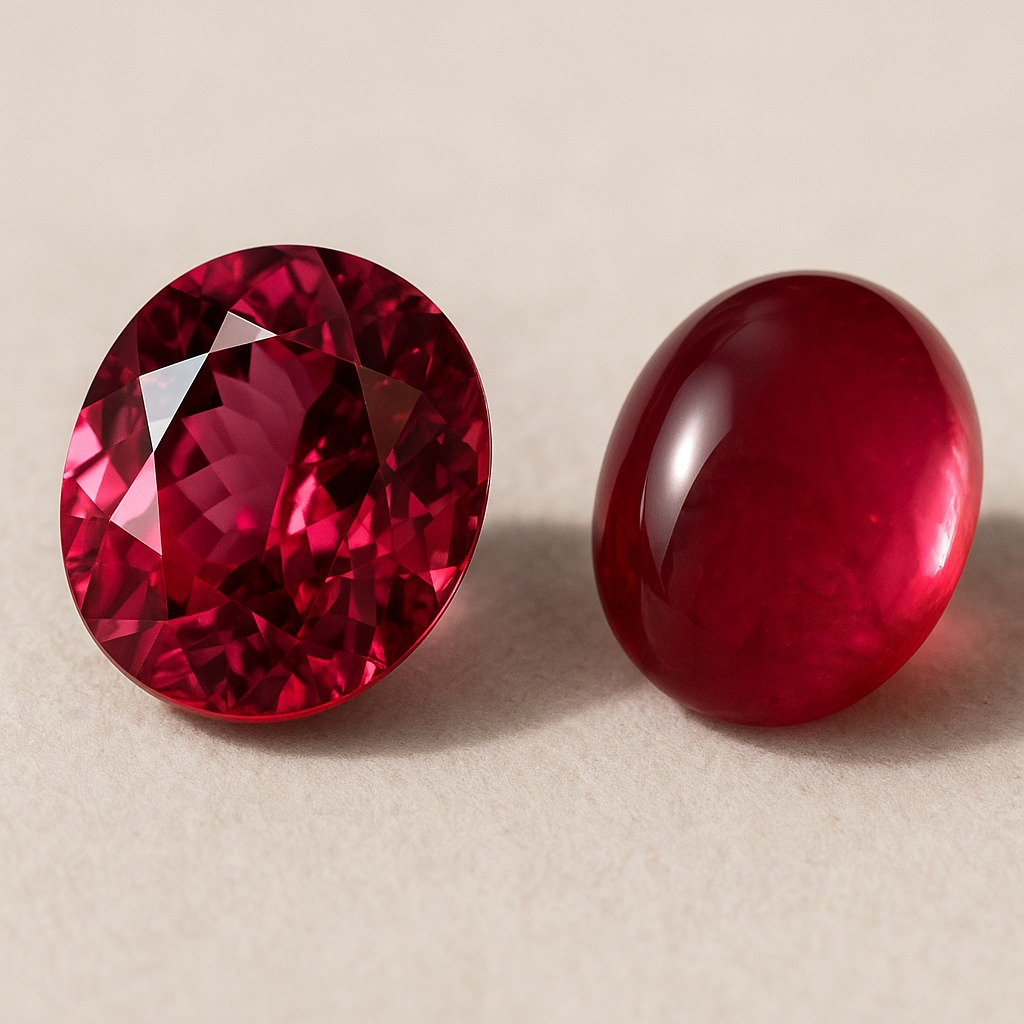
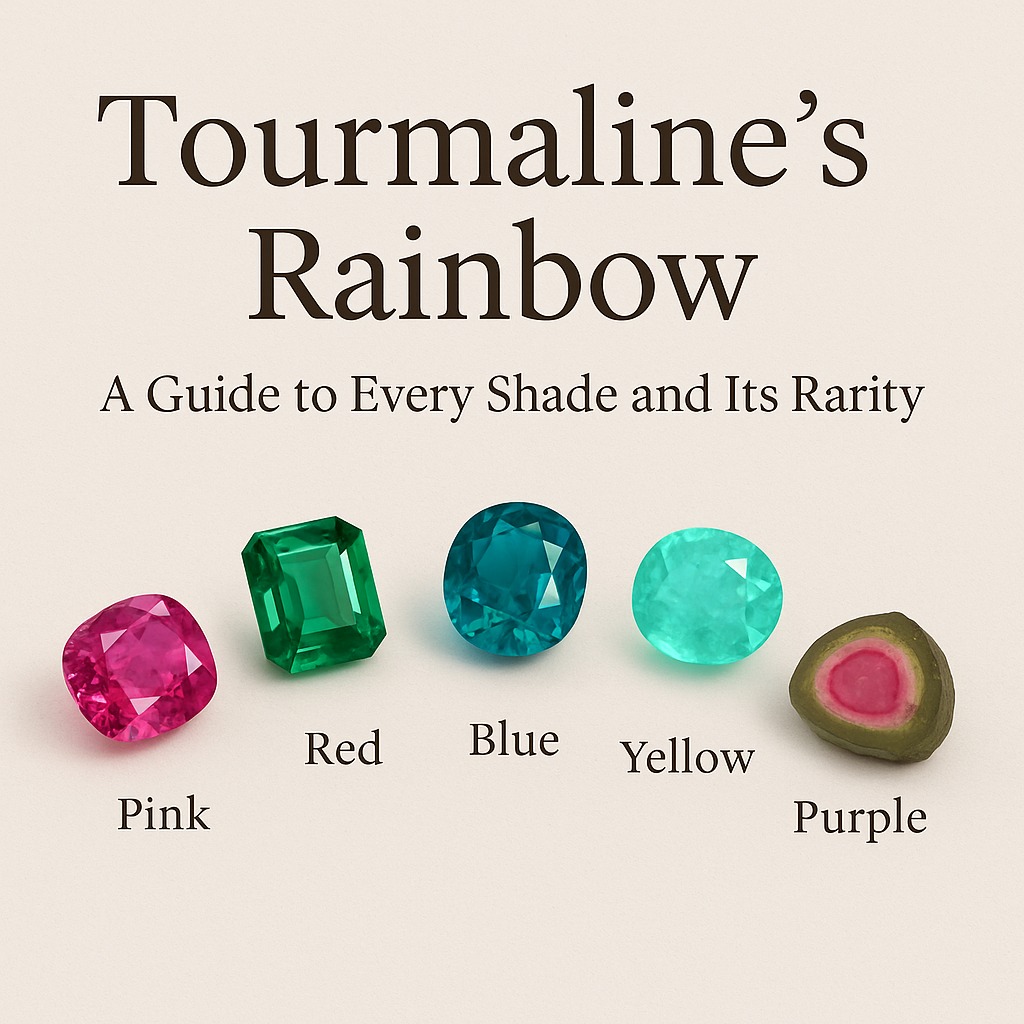
Among the most famous varieties, rubellite refers to tourmalines in intense shades of pink and red. These gems can rival the vibrancy of rubies but offer a distinctive glow that feels softer and more romantic. Fine rubellites with rich saturation and few inclusions are rare, making them highly desirable in high jewellery.
Victorian jewellers favoured pink tourmalines in sentimental pieces, while today they remain popular for their feminine allure and bold colour.
Green Tourmaline (Verdelite)
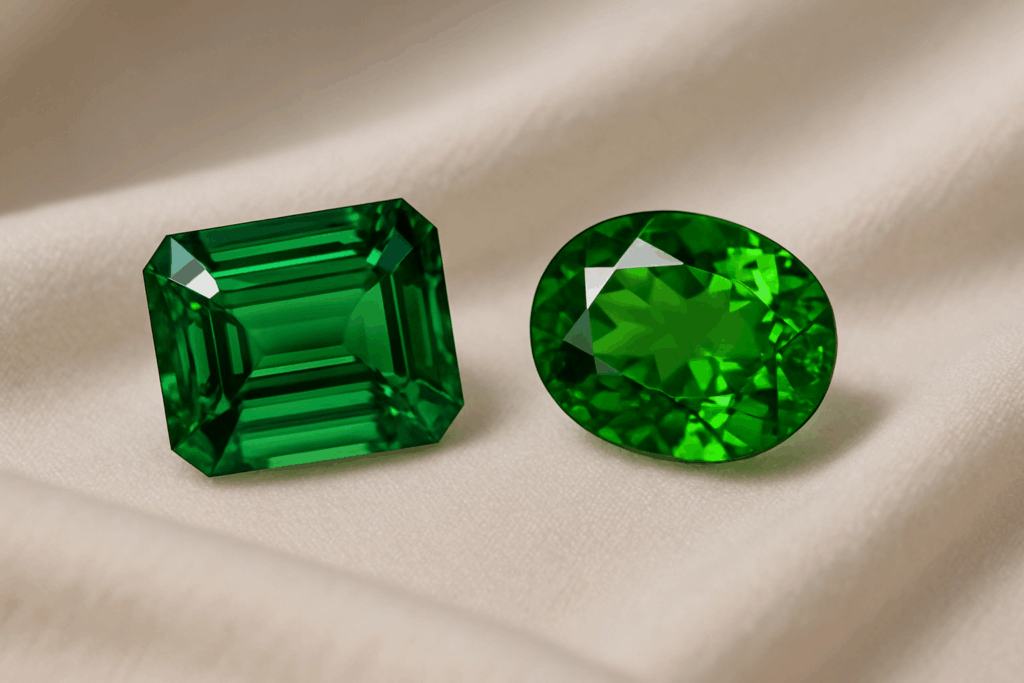
Green tourmaline, often called verdelite, ranges from light grassy tones to rich forest greens. At its finest, it can resemble emerald, though tourmaline is typically more affordable and often cleaner in clarity. Its durability and versatility make it a favourite for everyday jewellery such as rings, pendants, and earrings.
Collectors prize vivid bluish-greens with excellent transparency, particularly from African deposits.
Blue Tourmaline (Indicolite)

Pure blue tourmaline, known as indicolite, is one of the rarer colours. Its spectrum ranges from light sky blue to deep ocean hues. True indicolite is scarce, and gems with rich, evenly distributed colour command premium values.
When cut well, indicolite displays striking brilliance and depth, making it a centrepiece for high jewellery rings and pendants.
Paraíba Tourmaline
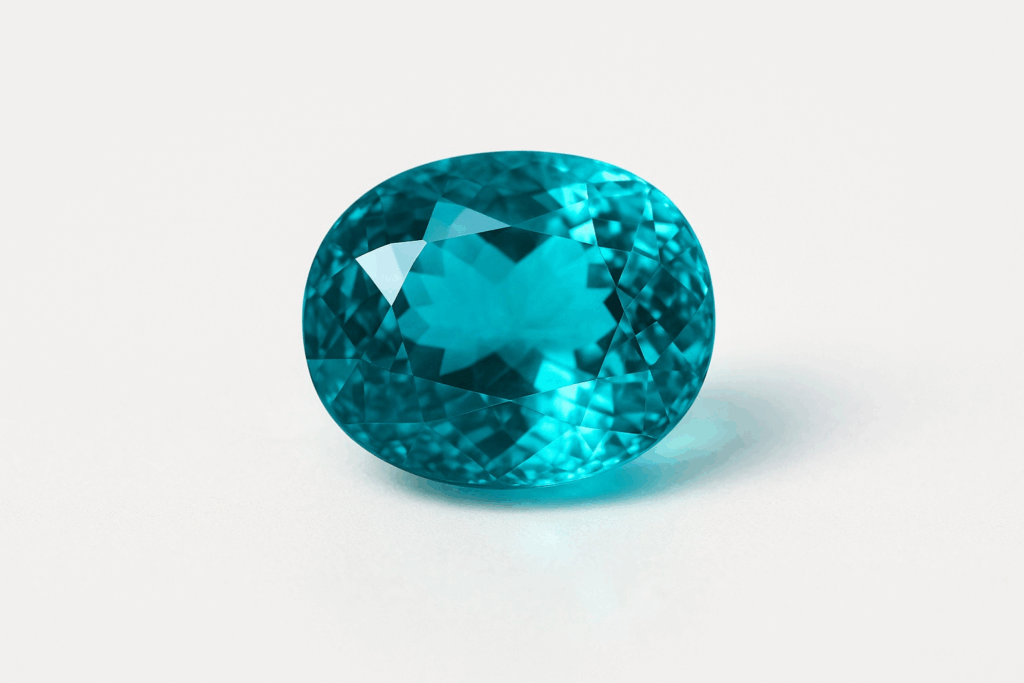
Perhaps the most coveted of all, Paraíba tourmaline is a relatively recent discovery that changed the gemstone world. First found in Brazil’s Paraíba state in the 1980s, these gems exhibit neon-like hues of turquoise, electric blue, and green caused by trace amounts of copper.
Today, similar copper-bearing tourmalines are mined in Mozambique and Nigeria, but true Brazilian Paraíbas remain exceptionally rare. Their intense glow, unlike any other gem, places them among the most valuable jewels in the world. Fine Paraíbas can fetch prices per carat that rival or exceed diamonds, rubies, and sapphires.
Watermelon Tourmaline
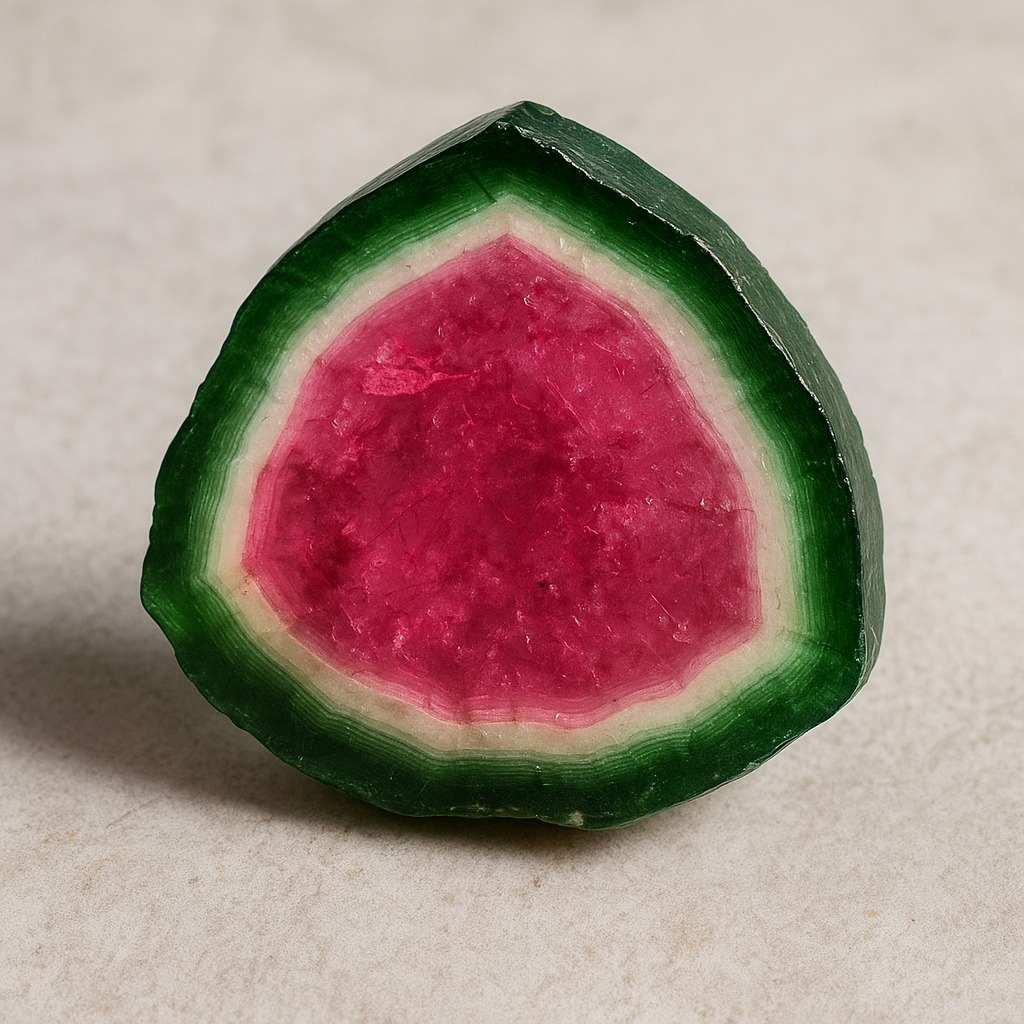
One of tourmaline’s most unique expressions is watermelon tourmaline. These gems display concentric zones of colour, typically with a pink or red core surrounded by a green rim, resembling a slice of watermelon.
Watermelon tourmalines are especially popular with collectors and designers for their whimsical, natural beauty. Larger gems with sharp, distinct colour separation are rare and highly sought after.
Other Colours of Tourmaline
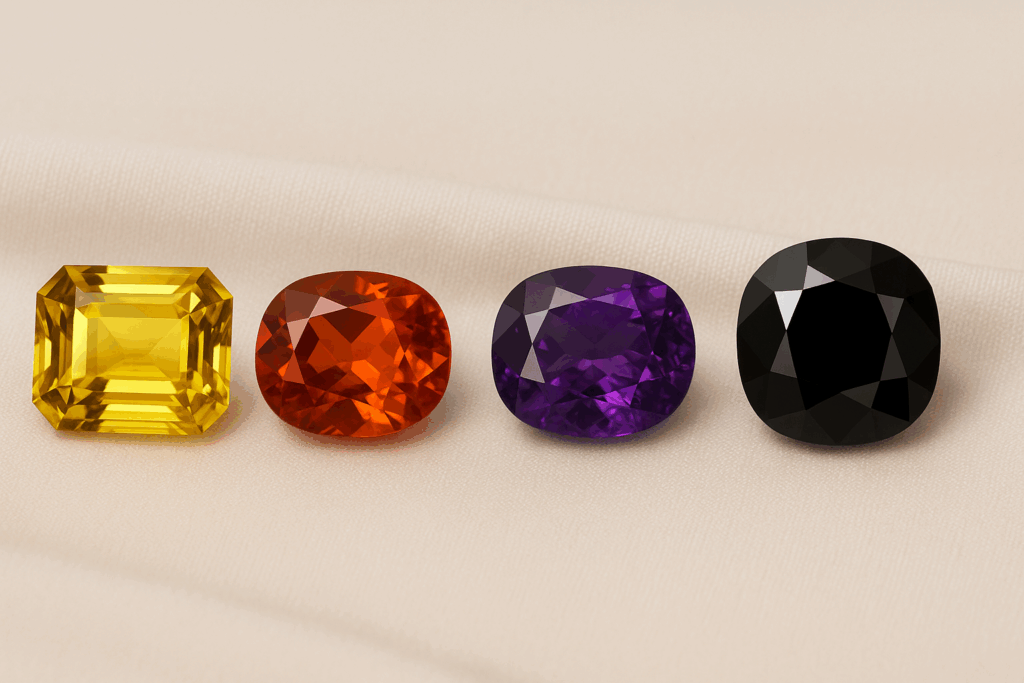
Tourmaline’s rainbow does not stop at red, green, and blue. Other varieties include:
- Yellow and Orange Tourmaline – Cheerful, warm hues that are less common but increasingly popular.
- Purple Tourmaline – A rare and captivating shade, sometimes displaying a velvety richness akin to amethyst.
- Black Tourmaline (Schorl) – The most common variety, often cut into beads or used for metaphysical purposes.
- Colourless Tourmaline (Achroite) – Extremely rare and often prized by collectors rather than jewellers.
This diversity ensures that tourmaline appeals to every taste, from lovers of classic hues to those drawn to unconventional gems.
Rarity and Value Factors

Tourmaline’s value depends on a combination of factors:
- Hue and Saturation – Strong, pure colours are more desirable than pale or mixed hues.
- Clarity – Transparent gems with few inclusions are rare and valuable. Some varieties, like rubellite, are more commonly included.
- Size – Large, fine-quality gems are far less common and command significant premiums.
- Origin – Paraíba tourmalines from Brazil and neon pink spinels from Tanzania highlight how provenance influences market value.
Among all varieties, Paraíba and fine indicolite stand at the top of the rarity scale, followed by vivid rubellites and distinct watermelon slices.
Tourmaline in History and Culture

Tourmaline’s allure spans centuries. In ancient India, tourmalines were thought to inspire insight and creativity. Chinese artisans carved tourmalines into intricate figurines and amulets, believing in their protective powers.
In Europe, tourmalines became especially fashionable in the 18th and 19th centuries. Dutch traders introduced vibrant pink and green crystals to the West, sparking demand among collectors and royals. During the Victorian era, tourmaline jewellery symbolised sentimentality and love.
Tourmaline in Modern Jewellery
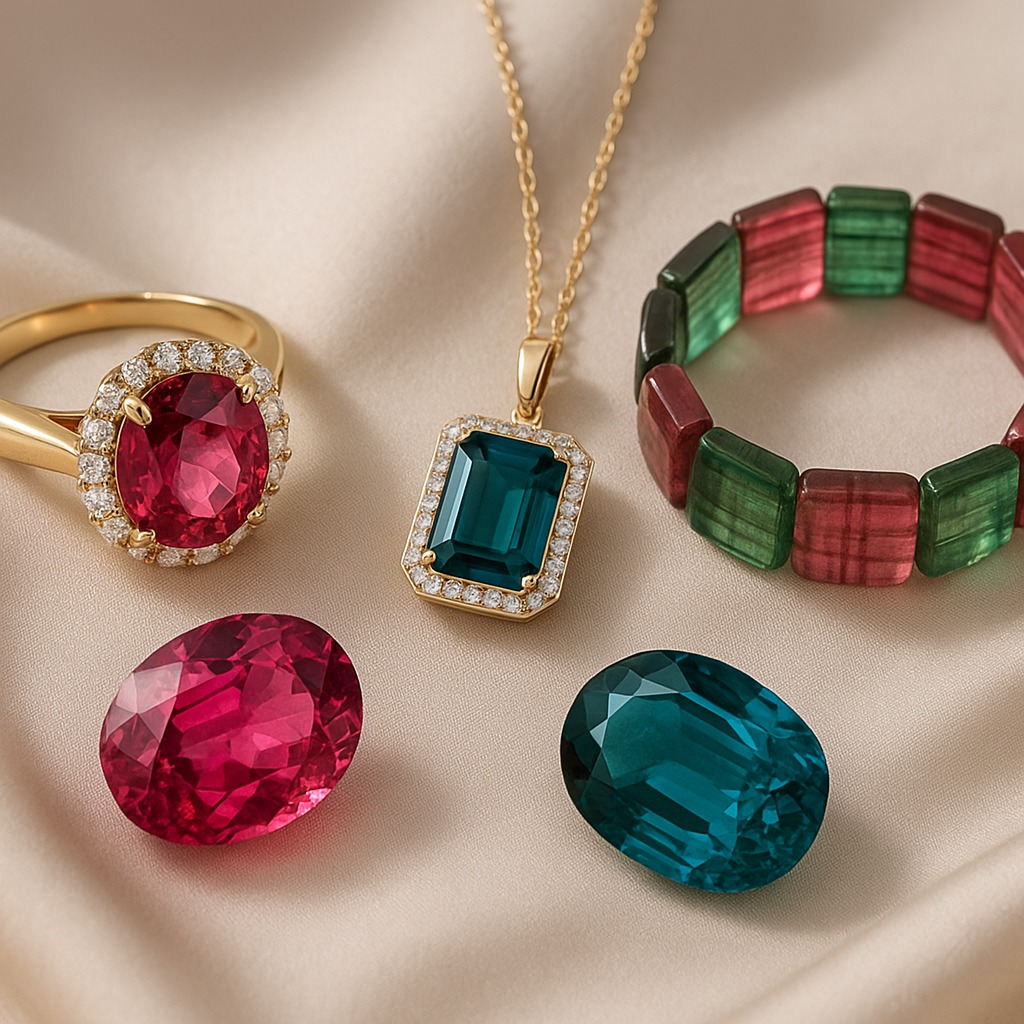
Today, tourmaline is a designer’s dream. Its vast palette allows for bold experimentation, whether in the form of minimalist pendants, elaborate cocktail rings, or high jewellery masterpieces.
Luxury houses incorporate fine rubellites, verdelites, and Paraíbas into statement collections, while independent jewellers embrace watermelon and bi-colour crystals for their artistic appeal. In Cape Town, tourmaline resonates with collectors seeking gems that reflect both heritage and individuality.
Why Collectors Love Tourmaline

Collectors are increasingly drawn to tourmaline for several reasons:
- Variety – Few gems offer as many natural colours.
- Accessibility – While elite varieties like Paraíba are extraordinarily valuable, many shades remain affordable, allowing collectors at all levels to enjoy tourmaline.
- Individuality – Each tourmaline is unique, whether by colour zoning, cut, or internal play of light.
- Investment Potential – Rare varieties such as Paraíba have already achieved legendary status and continue to appreciate in value.
This balance of accessibility and rarity makes tourmaline a gemstone that appeals to both seasoned connoisseurs and first-time buyers.
Conclusion: A Gem of Infinite Colour
Tourmaline is more than just a gemstone — it is a celebration of nature’s ability to produce beauty in infinite forms. From romantic rubellites and verdant greens to neon Paraíbas and whimsical watermelons, tourmaline offers something for every taste and occasion.
At PrinsGems, we present tourmaline in all its splendour — certified, carefully curated, and selected for its natural brilliance. To own a tourmaline is to carry a piece of the rainbow, a jewel as vibrant and diverse as the world itself.