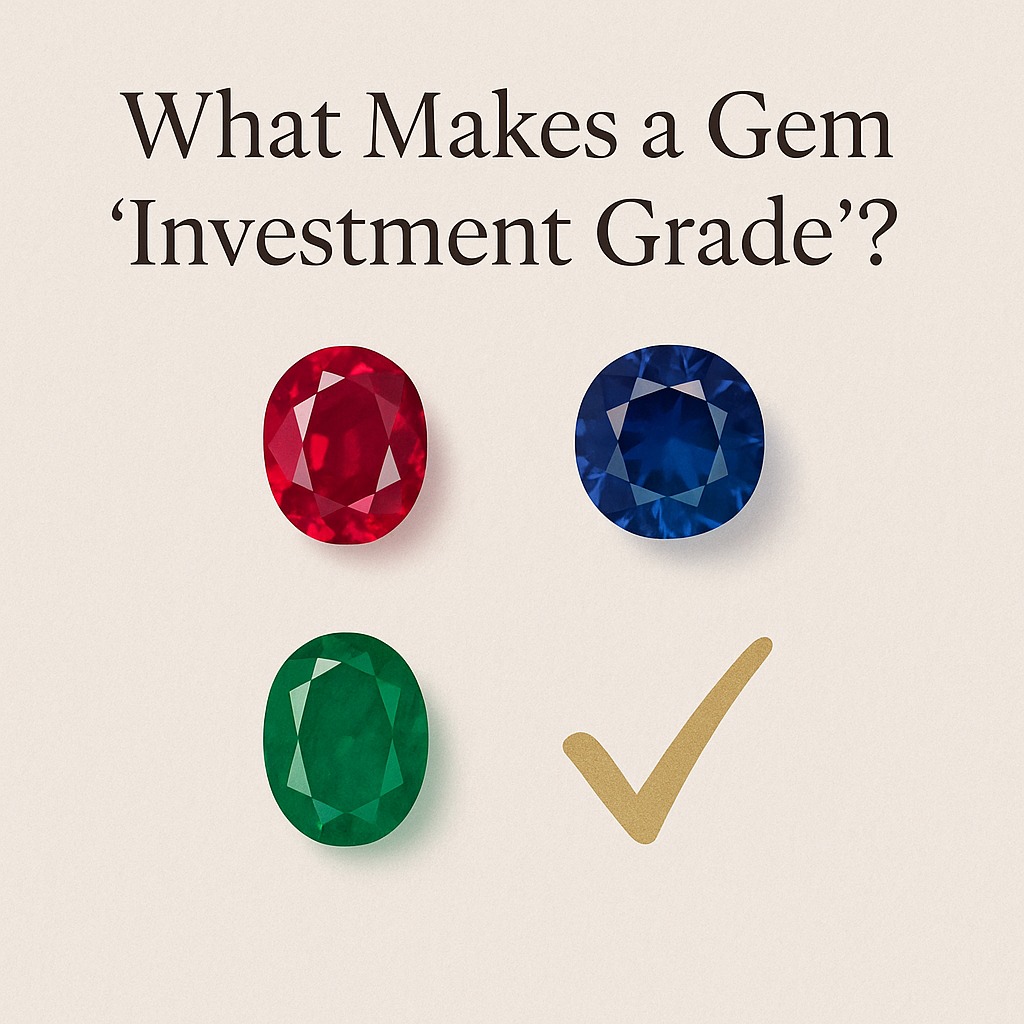
What Makes a Gem “Investment Grade”? A Gemmologist’s Checklist
When it comes to gemstones, not every dazzling jewel can be called “investment grade.” Many gems are purchased for beauty, sentiment, or personal style — all perfectly valid reasons. However, if your goal is to secure a gemstone with long-term financial value, then you need to look more closely. Investment-grade gems combine rarity, enduring demand, and uncompromising quality. They are jewels that retain and often grow in value, standing the test of time both as treasures to wear and as assets to hold.
At PrinsGems, our gemmologists are often asked: What exactly makes a gem worthy of investment? Below, we share a clear checklist that separates decorative gemstones from those that meet the true standards of investment grade.
Defining Investment Grade

An “investment grade” gemstone is one that meets strict gemmological criteria and market conditions. These gems are not only beautiful but also rare, durable, and highly sought after by collectors and connoisseurs around the world. Unlike commercial-quality gems, which may be abundant or heavily treated, investment gems are defined by their scarcity and their ability to command strong prices at auctions and in the resale market.
In simple terms:
- Every investment gem is a gemstone, but not every gemstone is investment grade.
The Gemmologist’s Checklist
1. Certification and Provenance

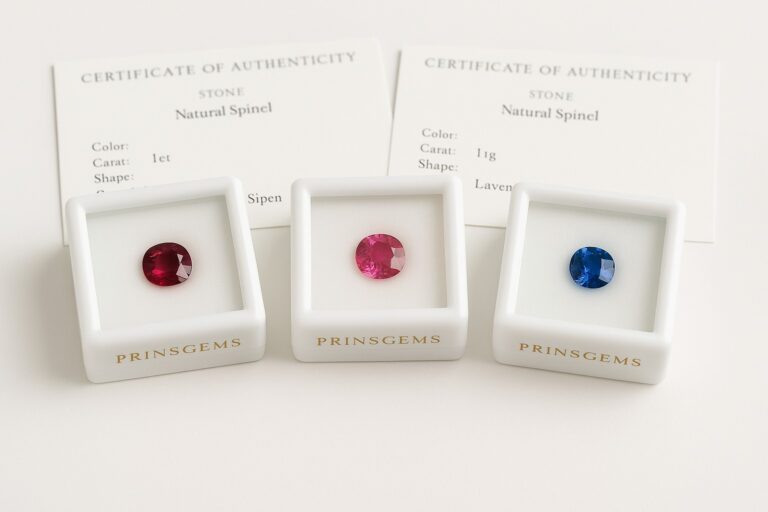
The foundation of investment-grade gems is independent certification. A gem must be authenticated by a respected laboratory such as the Gemological Institute of America (GIA) or the European Gemological Laboratory (EGL). In South Africa, local gem labs also play a key role, particularly with gems like tanzanite.
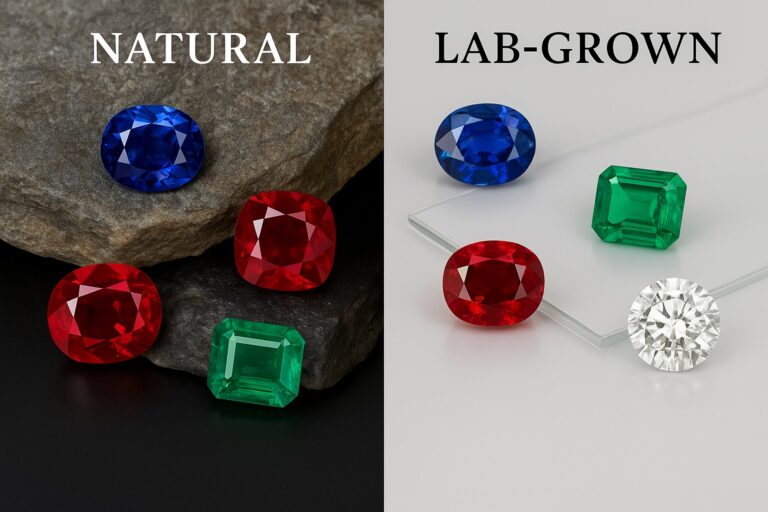
Certification guarantees that a gem is natural and not synthetic, and it records any treatments (such as heating or fracture filling). Provenance — knowing the origin of the gem — adds further assurance, since certain regions (Kashmir sapphires, Colombian emeralds, Burmese rubies) are historically renowned for producing gems of the highest calibre.
Without certification, no gemstone should be considered investment grade.
2. Colour Quality
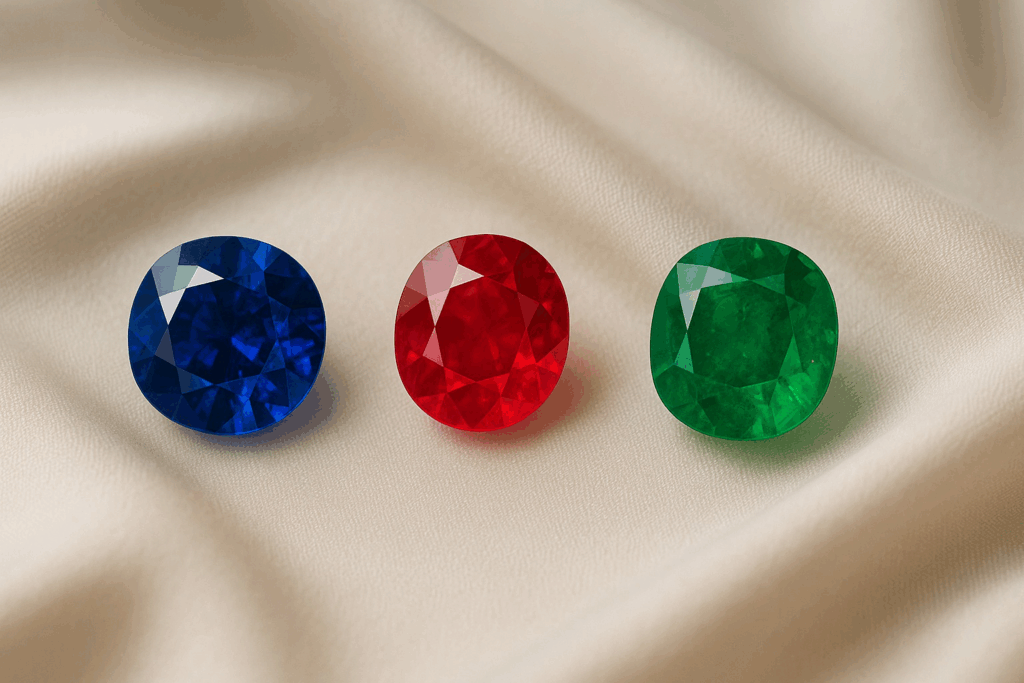
Colour is the single most important factor in determining value. Investment-grade gems must display vivid, saturated hues that are both rare and desirable.
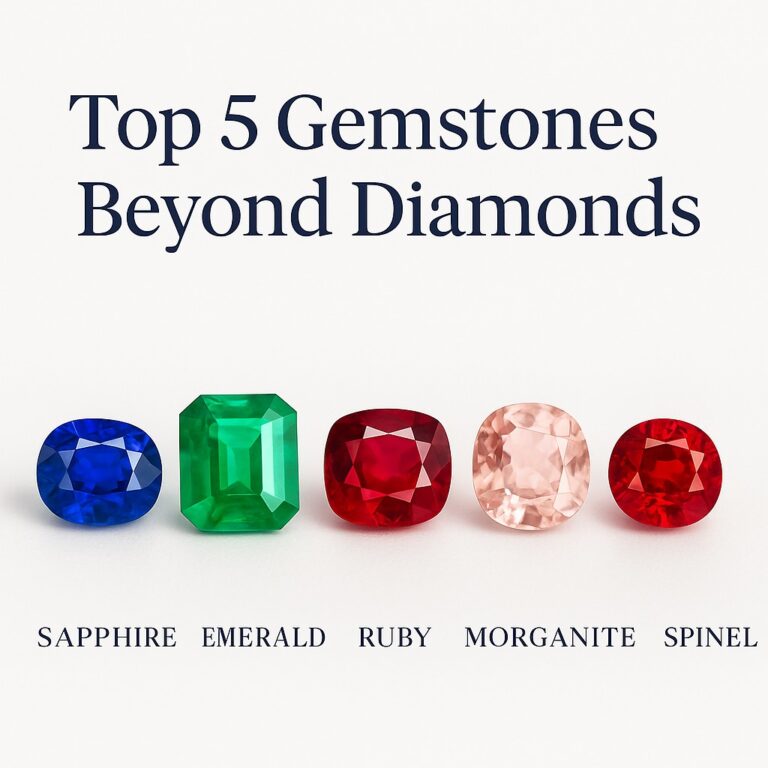
- Sapphire: The coveted “royal blue” — pure, intense, and velvety.
- Ruby: The legendary “pigeon blood” red, neither too dark nor too light.
- Emerald: Vivid, bright green with excellent transparency.
- Tsavorite garnet: A rare, neon-like green found in East Africa.
Subtle differences in colour can mean vast differences in value. A pale or overly dark gem may be beautiful, but it does not qualify as investment grade.
3. Clarity Standards
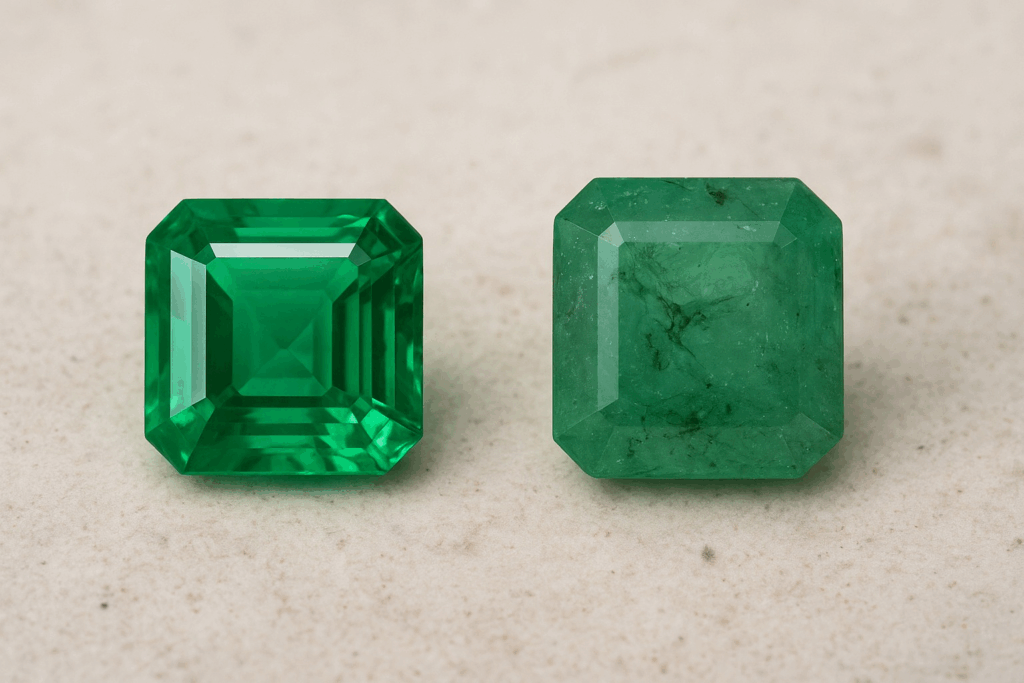
Clarity refers to the presence (or absence) of internal features known as inclusions. All natural gemstones contain inclusions, but in investment-grade gems, they should not compromise transparency or brilliance.
- Rubies and sapphires: Minor inclusions are acceptable, but they should not cloud the gem.
- Emeralds: Some inclusions are typical, yet investment emeralds strike a balance between clarity and colour.
- Diamonds: Must be eye-clean at minimum, with inclusions only visible under magnification.
If inclusions weaken the gem’s structure or distract the eye, the jewel falls short of investment grade.
4. Cut Precision
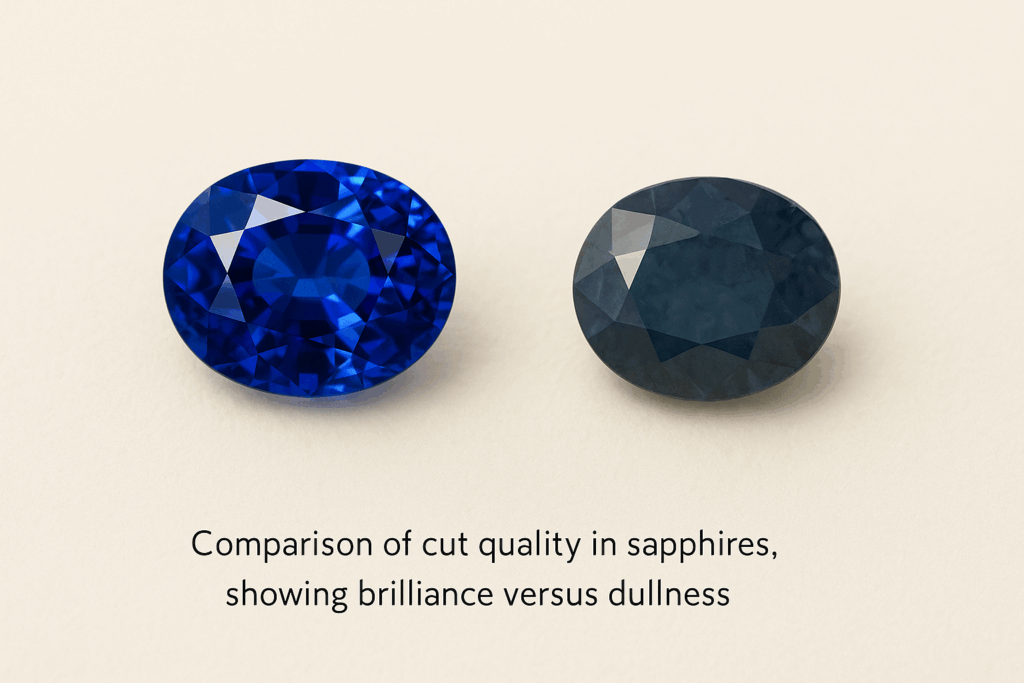
The cut of a gem is more than its shape — it is the quality of its faceting and symmetry. A fine cut maximises brilliance, balances proportions, and ensures the gem shows its best possible face.
Poorly cut gems, even if they have fine colour and clarity, may appear dull or lifeless. Investment-grade gems must be cut to exacting standards, with precision that enhances rather than diminishes their natural qualities.
5. Carat Weight and Size Rarity
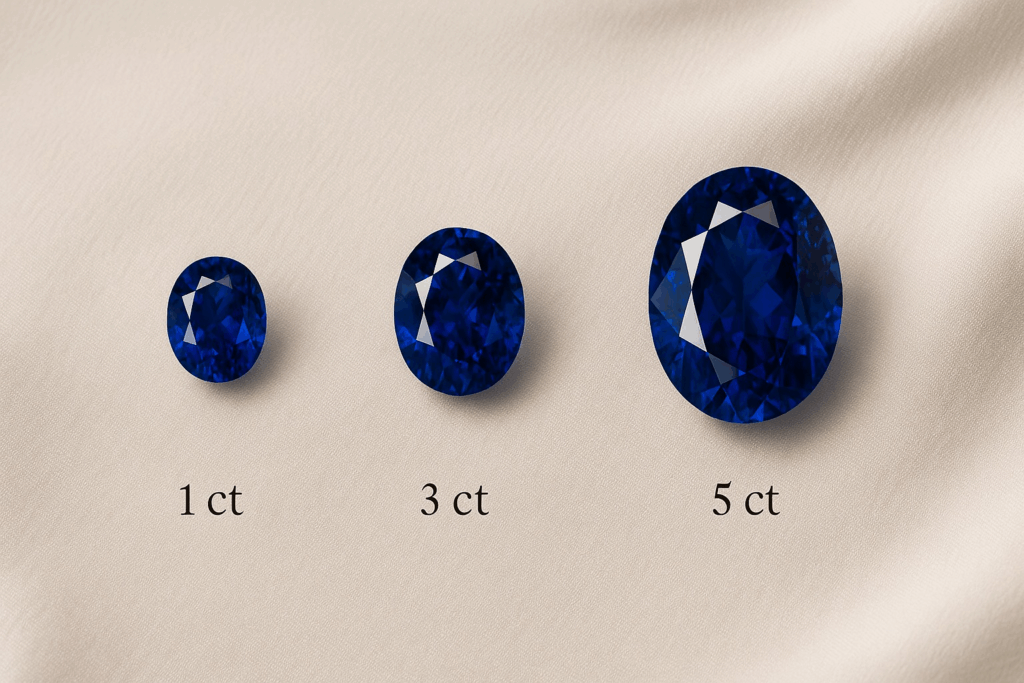
Size matters in the world of investment gemstones. While small gems can be beautiful and collectable, larger gems of fine quality are exponentially rarer and more valuable.
For example:
- A one-carat ruby of high quality may be valuable, but a five-carat ruby of the same quality is extraordinarily rare and commands dramatically higher prices.
- Large sapphires, emeralds, and spinels of fine quality are fiercely sought after because they occur so infrequently in nature.
In short, investment-grade gems combine quality with significant carat weight, making them both exceptional and scarce.
6. Rarity and Market Demand
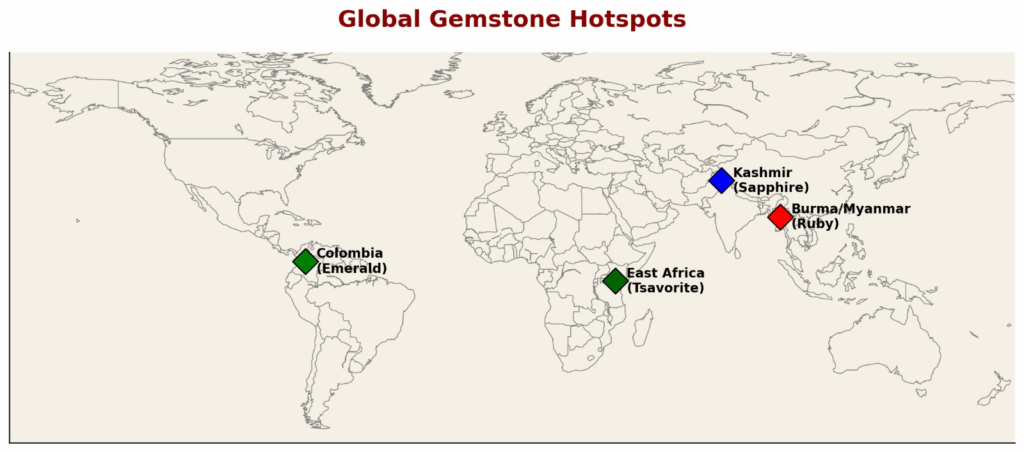
Rarity is not only geological but also cultural. Some gems are rare in nature yet lack strong market demand, making them less suitable as investments. Investment-grade gems combine scarcity with consistent demand from collectors, jewellers, and auction houses.
- High-demand gems: Ruby, sapphire, emerald, diamond, alexandrite, and certain garnets like tsavorite.
- Regionally prized gems: Tanzanite (unique to Tanzania) has strong appeal but requires careful evaluation due to its relative softness.
Market demand can fluctuate, but the great “royal gems” have held value for centuries and remain the benchmarks of investment.
7. Durability for Longevity
An investment gem must endure. Jewellery is meant to be worn, and an investment-grade gem must withstand time, wear, and environmental factors.
Durability depends on three factors:
- Hardness: Resistance to scratching (measured by the Mohs scale).
- Toughness: Resistance to breaking or chipping.
- Stability: Resistance to heat, light, and chemicals.
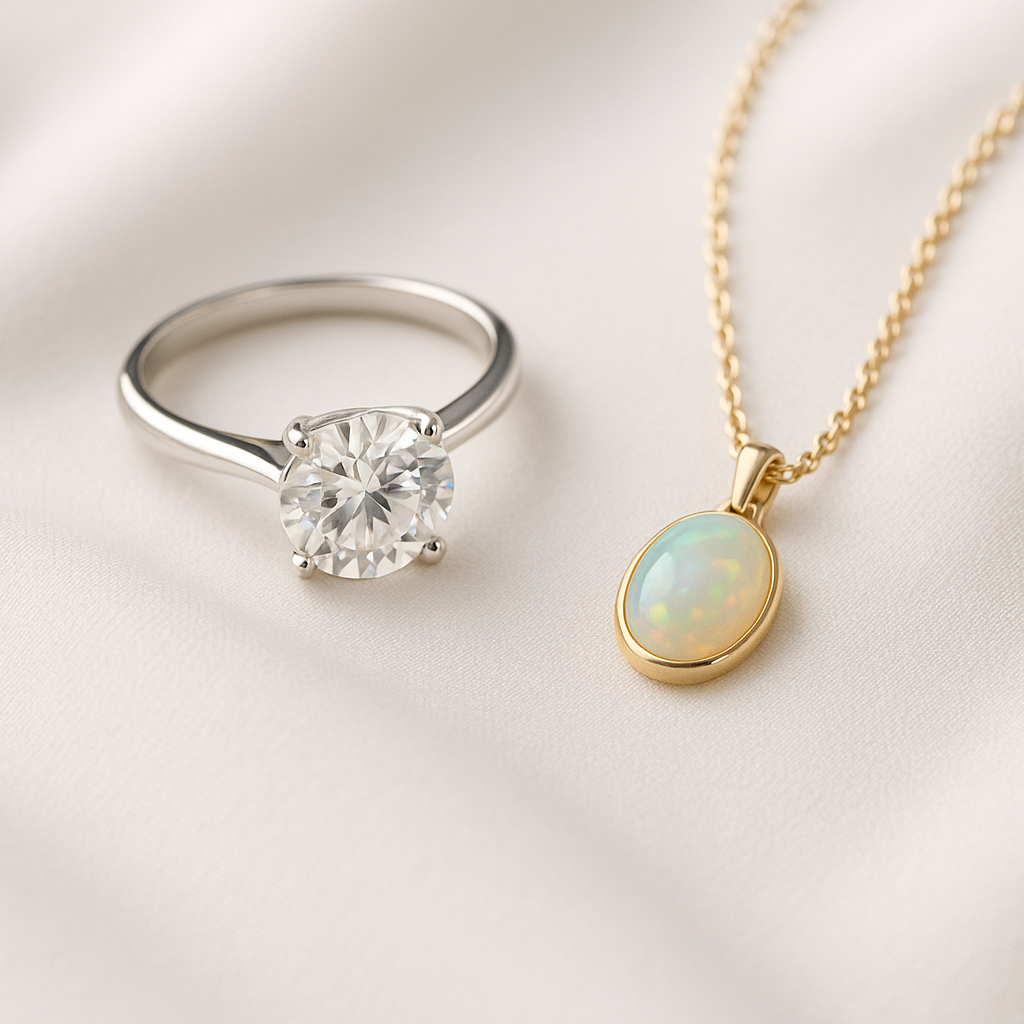
Diamonds, sapphires, and rubies are excellent in all three respects, making them ideal for daily wear. Softer gems such as opal or fluorite may be collectable, but they do not qualify as investment grade due to their fragility.
8. Proven Market Value
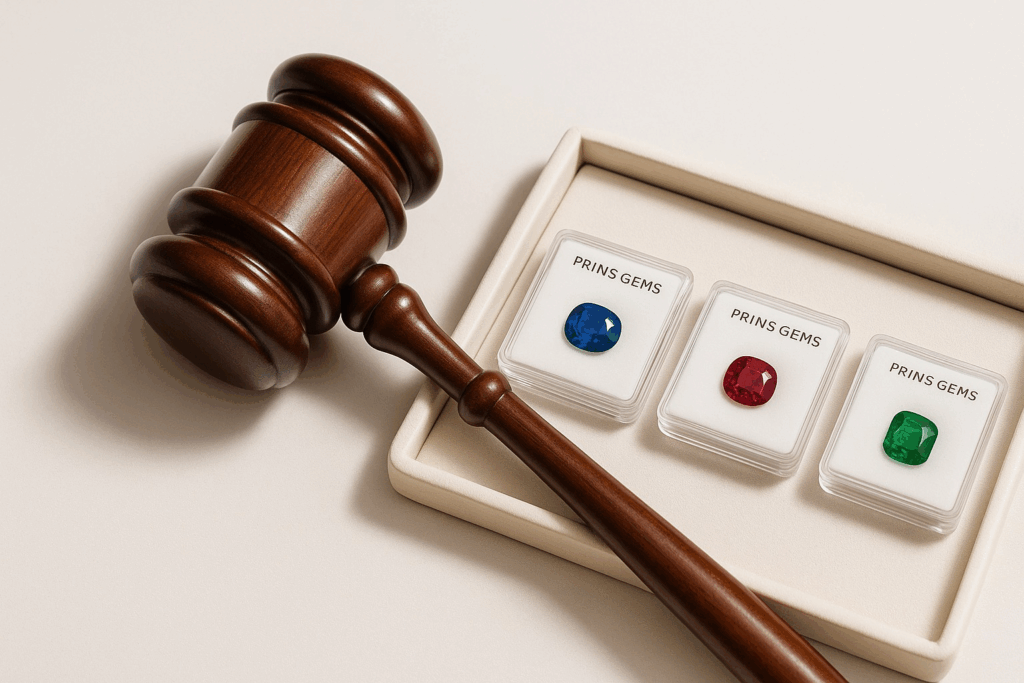
Finally, an investment gem must demonstrate proven appreciation in value. This is where history and auction records come into play. Gems with documented price growth — especially at international auction houses such as Sotheby’s and Christie’s — have established reputations as investment-worthy.
A certified, fine-quality Burmese ruby or Colombian emerald with strong provenance can sell for millions, demonstrating the strength of these gems as long-term stores of value.
Common Misconceptions
“All large gems are investment grade.”
Not true. Size alone is meaningless without fine colour, clarity, cut, and certification.
“Certification automatically means investment grade.”
False. Certification verifies authenticity but does not guarantee rarity or investment potential.
“Any rare gem is a good investment.”
Rarity must be matched with demand. Some rare gems remain niche and do not achieve strong resale markets.
The Gemmologist’s Perspective
At PrinsGems, our gemmologists emphasise that investment grade is not a marketing term but a technical standard. It requires evaluating multiple factors in combination. A gemstone that excels in colour but fails in clarity, or one that has size but lacks provenance, may be beautiful but will not reach investment-grade status.
Ultimately, expertise is essential. Even experienced buyers benefit from professional guidance to navigate the subtleties that define true value.
Conclusion: Choosing with Confidence
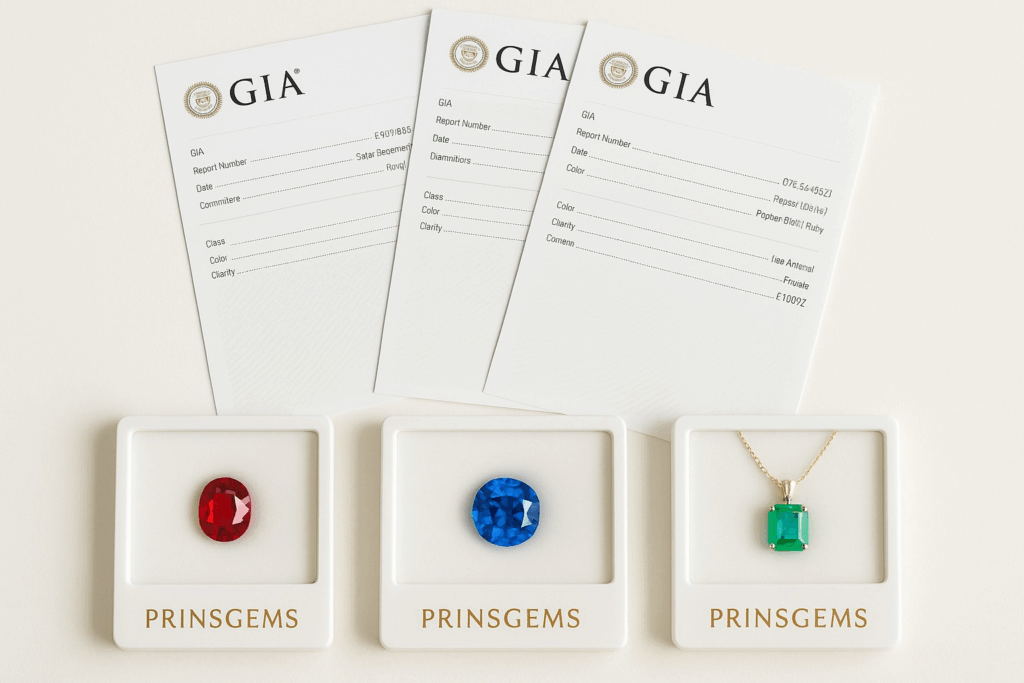
Investment-grade gems are rare treasures — jewels that unite beauty, scarcity, and enduring value. To qualify, a gem must meet strict criteria: certified origin, exceptional colour, fine clarity, expert cut, significant size, proven demand, durability, and a track record of appreciation.
Buying such a gem is not only a personal pleasure but also a long-term decision. With the right guidance, your purchase can become a legacy asset to be cherished, worn, and eventually passed on.
At PrinsGems, our heritage as Cape Town’s sister company to Prins & Prins Diamonds ensures that every gem is curated with expertise and integrity. Whether you are seeking your first certified loose gem or adding to a collection, our gemmologists are here to help you select a jewel that is truly investment grade.