
Sapphire vs Tanzanite: How to Choose Your Perfect Blue Gem
Blue gemstones have long captured the imagination of collectors, jewellery lovers, and royalty alike. Among them, two stand out as icons of beauty and rarity: sapphire and tanzanite. Both dazzle with captivating shades of blue, but each has its own story, strengths, and considerations. Choosing between these two remarkable gems depends on understanding their unique qualities — from colour and durability to rarity and value.
The Allure of Colour
Sapphire: Timeless Royal Blue
For centuries, sapphire has been synonymous with deep, velvety royal blue. Its colour ranges from vivid cornflower to rich midnight tones, with the most prized sapphires displaying an intense yet balanced saturation that glows in any light. Sapphire’s appeal lies in its timelessness; it is a gem that has adorned monarchs and spiritual leaders for millennia, symbolising wisdom, truth, and nobility.
Tanzanite: A Symphony of Blue and Violet
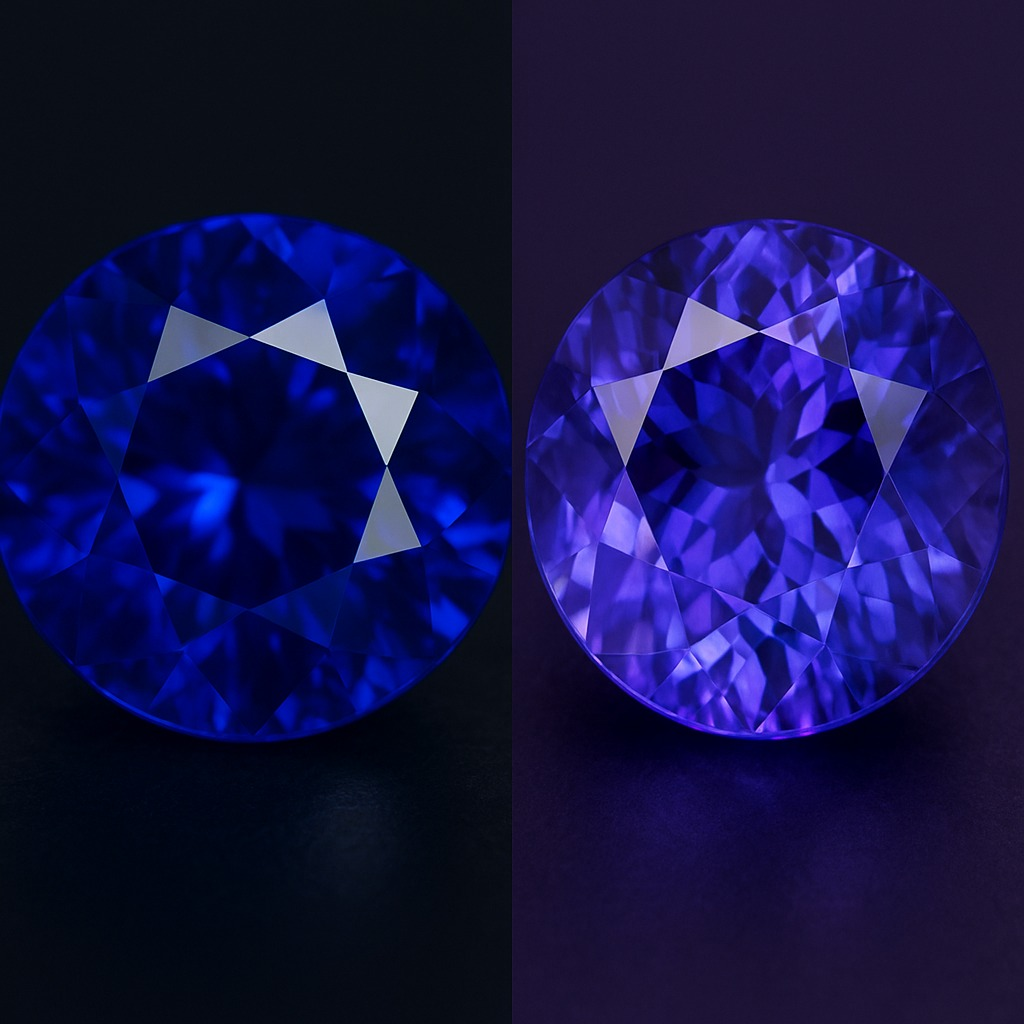
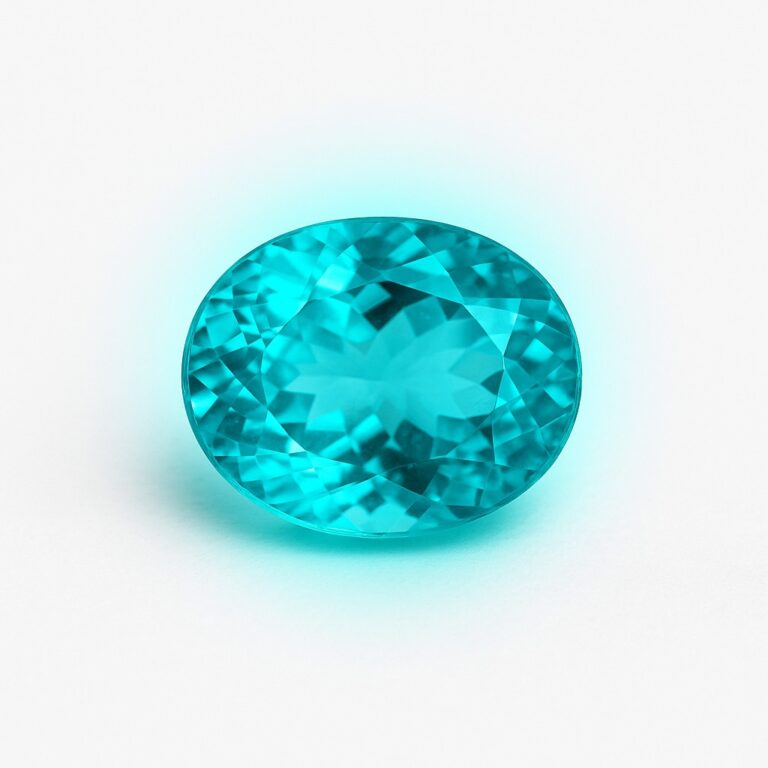
Discovered in Tanzania in the 1960s, tanzanite is one of the youngest additions to the world of fine gems. Its colour is extraordinary: a vivid violet-blue that shifts depending on the angle and lighting. Some stones lean towards deep indigo, while others reveal flashes of purple or even burgundy under incandescent light. This pleochroic quality gives tanzanite a mesmerising, ever-changing personality, making it particularly popular with modern jewellery connoisseurs.
Verdict: Choose sapphire if you prefer a classic, steady blue that never goes out of style. Opt for tanzanite if you are drawn to a more exotic, colour-shifting brilliance.
Durability and Wearability

Sapphire: Made to Last
Sapphire belongs to the corundum family and rates 9 on the Mohs scale of hardness, second only to diamond. This makes it highly resistant to scratches and an ideal choice for daily wear, whether in engagement rings, pendants, or earrings. With proper care, sapphire jewellery can be worn for generations, cementing its reputation as a legacy gemstone.
Tanzanite: Handle with Care
Tanzanite, by contrast, is softer, rating between 6 and 7 on the Mohs scale. While it can be fashioned into exquisite jewellery, it requires more care to avoid scratches and damage. Tanzanite is best suited for pieces worn occasionally or in protective settings, such as pendants or earrings, rather than rings intended for everyday wear.
Verdict: For an heirloom piece or engagement ring, sapphire is the more durable option. For special-occasion jewellery with dramatic flair, tanzanite is ideal.
Rarity and Origins
Sapphire: Global Treasures

Sapphires are found in several locations worldwide, including Sri Lanka, Myanmar, and Madagascar. Each source produces sapphires with distinctive characteristics — from Sri Lanka’s brilliant “Ceylon” blues to the rich, inky tones of Kashmir. Their availability across multiple regions ensures a steady supply, though top-quality sapphires remain rare and highly coveted.
Tanzanite: A Single Origin

Tanzanite’s rarity lies in its exclusivity: it is found in only one place on Earth, a small mining area near Mount Kilimanjaro in northern Tanzania. This singular source means that once the deposits are exhausted, no more tanzanite will ever be discovered. Its geologically unique origin gives tanzanite both allure and urgency, as many see it as a once-in-a-lifetime gem.
Verdict: Sapphire offers heritage and variety from multiple origins, while tanzanite’s appeal lies in its exclusivity and finite availability.
Value and Investment

Sapphire: A Legacy Gem
As one of the “Big Three” coloured gems (alongside ruby and emerald), sapphire enjoys enduring demand and strong resale value. Its durability, history, and association with royalty make it a secure choice for investment as well as personal enjoyment. High-quality sapphires often appreciate in value over time, particularly stones with excellent colour and minimal treatment.
Tanzanite: A Modern Rarity
Tanzanite, though newer to the market, has quickly gained international recognition. Its prices are generally more accessible than sapphire, yet its rarity could make it more valuable in the future, particularly if mining slows or ceases. However, its softer nature means it is not always passed down as easily through generations.
Verdict: Sapphire offers long-term stability and prestige, while tanzanite provides rarity with the potential for growth in value.
Which Gem Is Right for You?
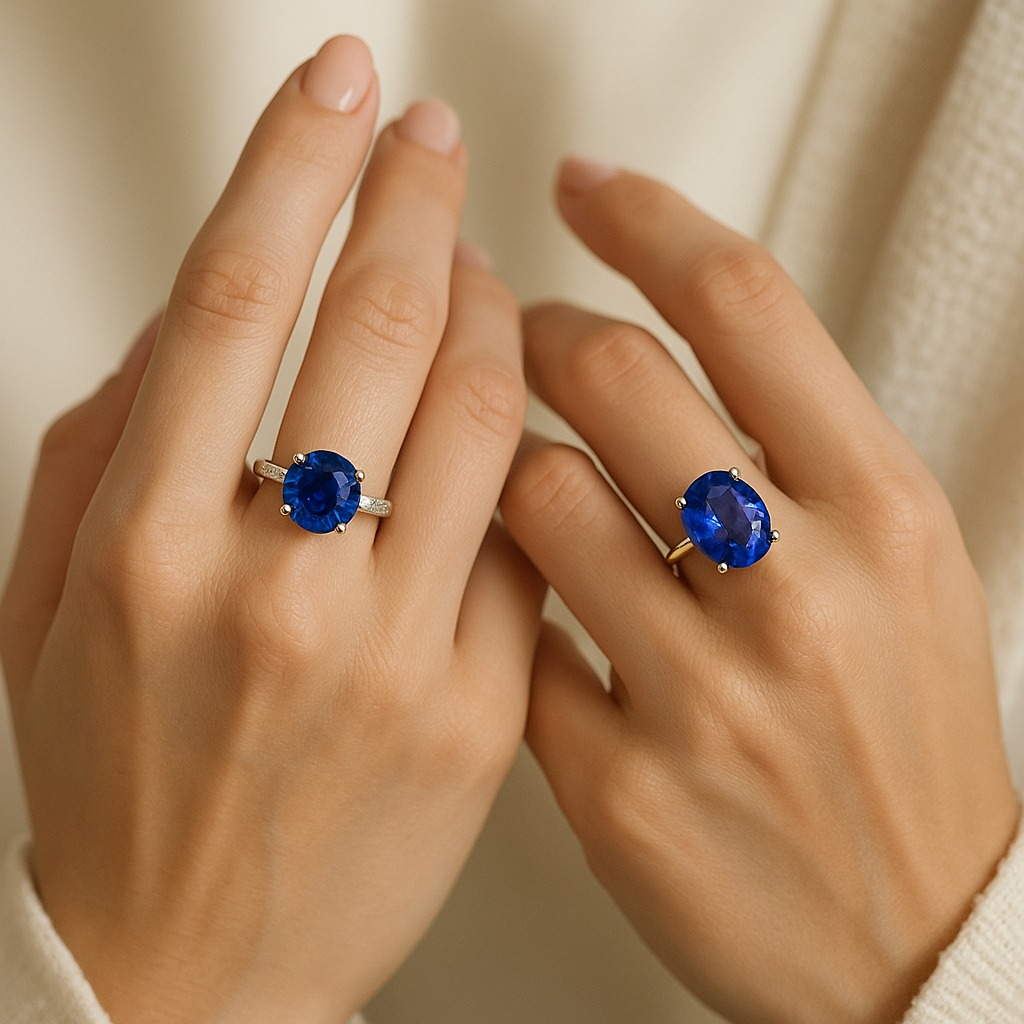
Choosing between sapphire and tanzanite comes down to personal style, lifestyle, and legacy:
- Choose sapphire if:
- You want a durable gemstone for everyday wear.
- You appreciate heritage, tradition, and timeless elegance.
- You are seeking a long-term investment and family heirloom.
- You want a durable gemstone for everyday wear.
- Choose tanzanite if:
- You are captivated by colour-shifting brilliance and modern rarity.
- You prefer a gem that stands out as something truly unique.
- You are captivated by colour-shifting brilliance and modern rarity.
You are looking for a dramatic jewel for special occasions.
The PrinsGems Perspective
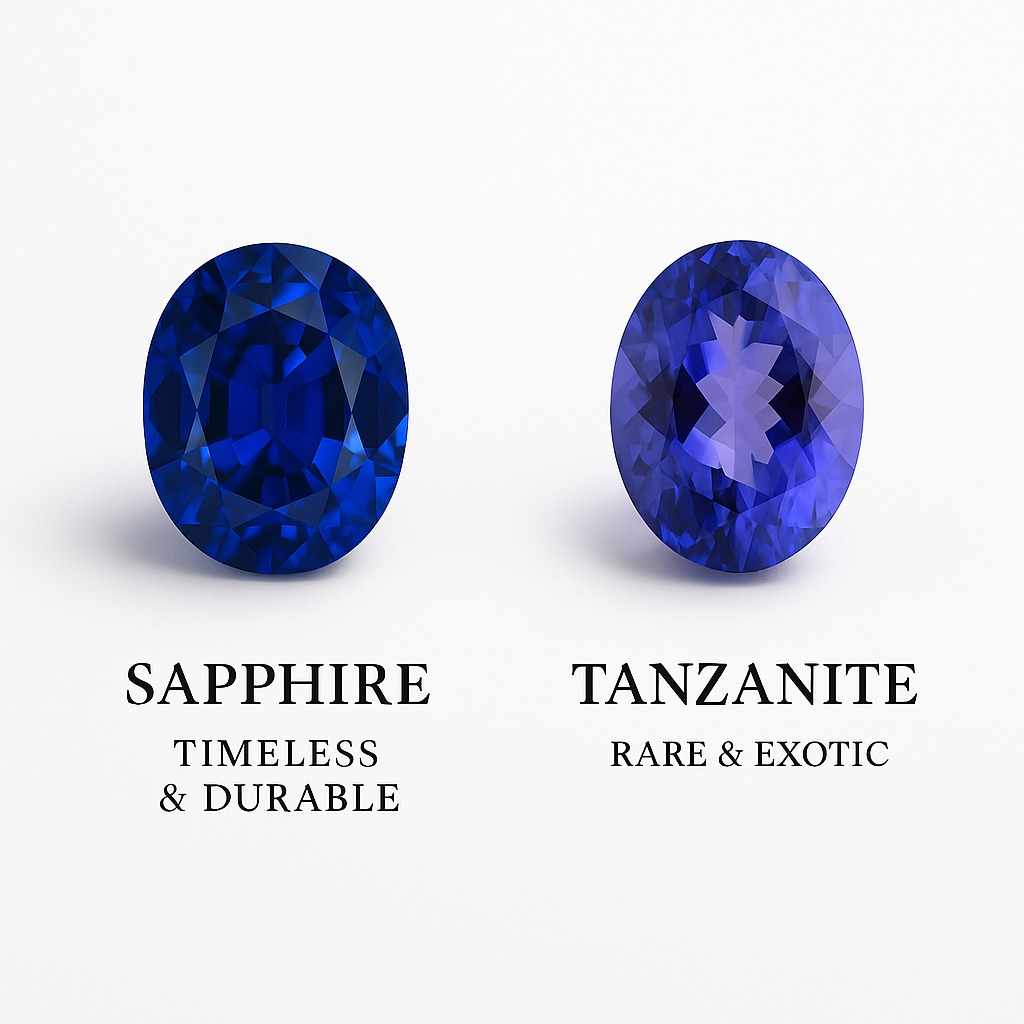
At PrinsGems, we showcase the beauty of natural gemstones with a focus on authenticity and rarity. Our gemmologists carefully select each sapphire and tanzanite for its colour, clarity, and character, ensuring every gem meets the highest standards. Whether you are captivated by the timeless elegance of sapphire or the striking rarity of tanzanite, PrinsGems offers you the chance to explore and compare these treasures side by side.
Discover Your Perfect Blue Gem
Explore the world of certified sapphires and tanzanites with PrinsGems. Each gem is hand-selected for its colour, clarity, and rarity, offering you the opportunity to compare and choose with confidence. Whether you are seeking the timeless elegance of sapphire or the rare allure of tanzanite, PrinsGems provides natural loose gemstones that reflect both beauty and authenticity.